A lipstick is small, but its box carries a lot of weight. It sits on a shelf next to dozens of other shades, it gets picked up, turned over and put back, and it often ships in a bag or mailer where it can be knocked around. The right custom lipstick boxes protect the tube, show off the shade and make the product feel worth its price.
This guide walks through the choices that matter most: box styles, sizes, inserts, materials and finishes. It also covers design, labeling and ordering, so you can avoid the mistakes that cost new beauty brands time and money.
Why Lipstick Packaging Boxes Matter
Lipstick is an emotional purchase. People buy a shade because of how it looks and how it makes them feel, and the box is the first thing that sets that mood. A heavy, well finished box suggests quality. A thin, poorly cut one raises doubt before the cap is even off.
Packaging also does practical work. It keeps the bullet from sliding or breaking, protects the tube from scratches, and keeps dust and fingerprints away. For brands that sell online, the box has to survive handling during delivery. For brands in stores, it has to catch attention quickly and make the shade easy to identify.
Finally, packaging supports your price. Shoppers compare products visually, and strong lipstick packaging boxes help justify a higher price by signaling care and consistency.
Common Box Styles for Lipsticks
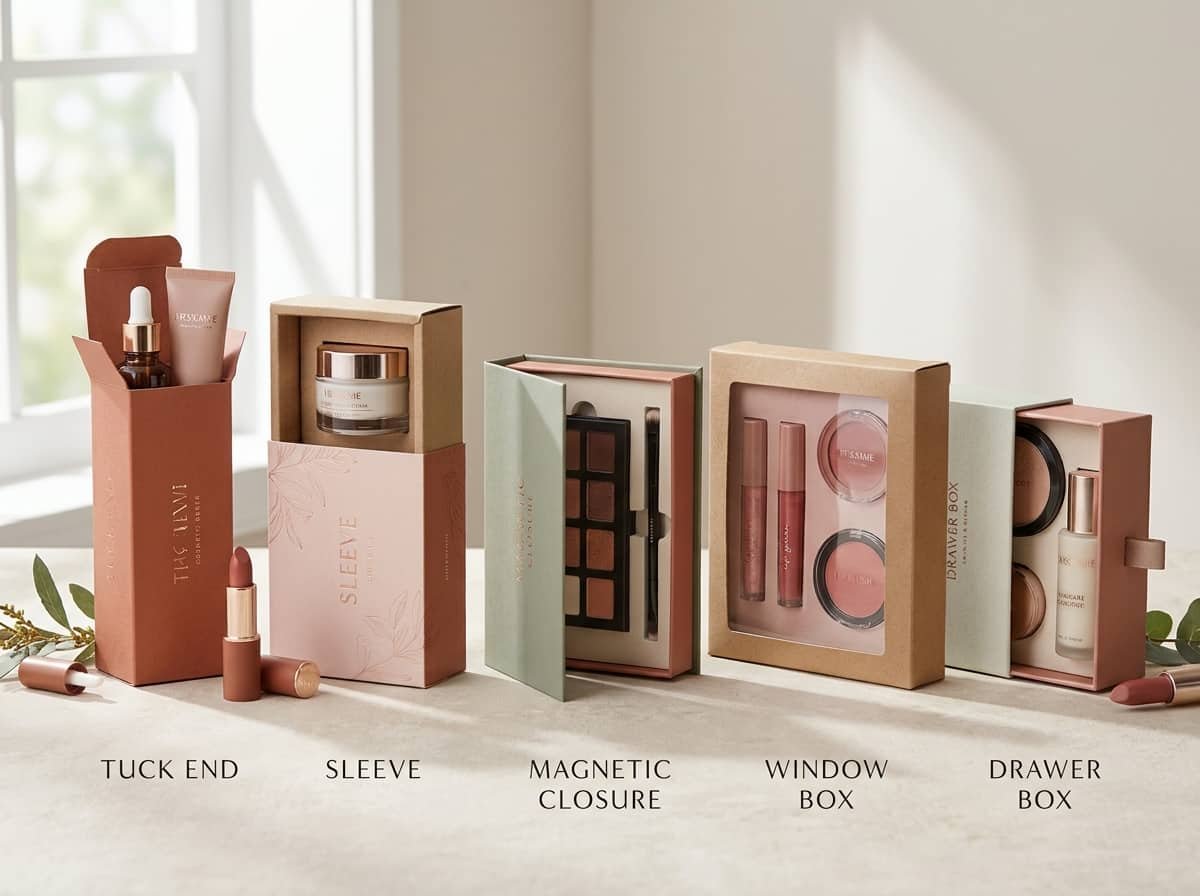
Tuck end boxes. The most common and economical option. A flap tucks into the front or back, and the box ships flat. These are well suited to drugstore and mid range lines.
Sleeve and tray boxes. A printed sleeve slides over an inner tray. Opening feels like a small reveal, which works well for premium or limited edition shades.
Rigid boxes. Built from thick board and wrapped in printed paper. They feel heavy and durable, and they suit luxury lipsticks and gift sets.
Magnetic closure boxes. A rigid box with a hidden magnet. The soft click on closing makes them popular for high end collections.
Window boxes. A cutout, often covered with clear film, shows the lipstick or the shade. This helps shoppers match a color without opening the box.
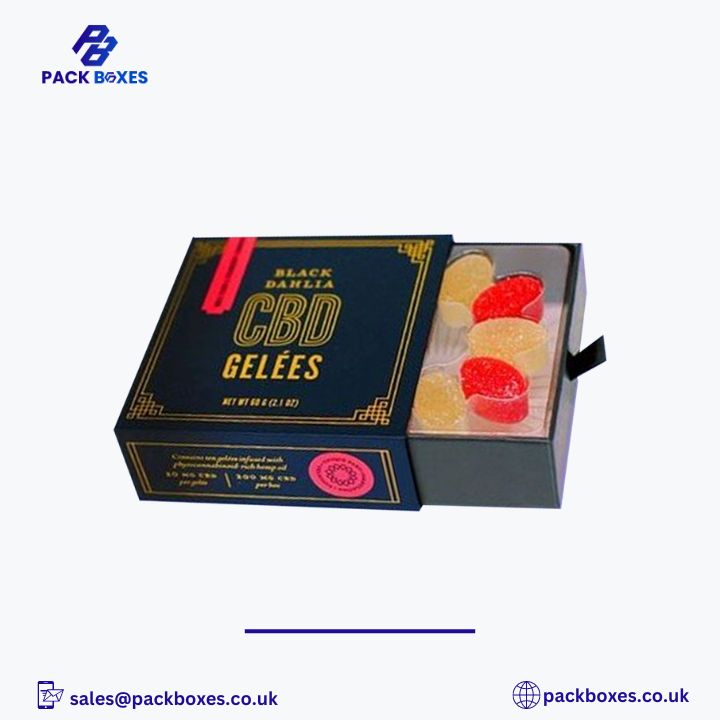
Drawer style boxes. The tray slides out like a small drawer. They are good for gifting, and they hold the lipstick securely.
Multi pack and set boxes. Designed for duos, trios or full collections. They are useful for holidays, bundles and subscription kits.
Getting the Size Right
Size is where many first time orders go wrong. A box that is too tight can crush the tube or scrape the cap. A box that is too loose lets the lipstick rattle, which looks careless and can cause damage.
Follow these steps:
- Measure the finished product. Measure length, width and depth with the cap on. Lipstick tubes come in different shapes, including round, square, slim and oval, and sizes vary between manufacturers.
- Allow clearance. The box needs a small amount of room so the tube slides in without force. Your supplier can recommend the right tolerance for your material.
- Account for the insert. An insert takes up space, so the outer box size must include it.
- Decide on single or multiple. A set box needs space for spacing between tubes.
- Test with a sample. Never approve a size from numbers alone. Put the real product in a real sample.
Ask your supplier for a dieline, which is the flat template that shows folds, cuts and print areas. It helps your designer place artwork correctly.
Why Inserts Matter
An insert is the part inside the box that holds the lipstick in place. It is often overlooked, but it makes a big difference in protection and presentation.
Paperboard inserts. Cut and folded from the same board as the box. They are economical and recyclable in many places.
Foam inserts. Soft and protective, with a precise cutout for the tube. They suit luxury boxes and fragile glass or metal packaging.
Molded pulp inserts. Made from recycled fiber and shaped to hold the product. They suit brands that want a natural, low plastic look.
Cardboard cradles and holders. A simple die cut shape that grips the tube at the base or the cap.
Satin or velvet lined trays. Used in gift sets to create an upscale feel.
A good insert keeps the lipstick from moving, prevents the bullet from touching the sides and gives the box a finished look when opened. If you ship products to customers, test the box by dropping and shaking it before you place a large order.
Choosing Materials
Folding carton. Light, printable and cost effective. It is the standard for most retail lipstick boxes.
Kraft paper. Natural and earthy. It suits vegan, organic and minimalist brands.
Rigid board. Thick and sturdy, used for premium and gift packaging.
Coated paperboard. A smooth surface that prints sharp color, ideal for brands with bold artwork.
If sustainability matters to your audience, ask about recycled content, responsibly sourced paper and coatings that are easier to recycle. Only make environmental claims you can support with documentation from your supplier.
Finishes That Make a Lipstick Box Stand Out
Finishing gives a box its personality. Choose carefully, because each finish affects both look and cost.
- Matte lamination: A smooth, modern surface that resists glare.
- Gloss lamination: Rich, shiny color that reflects light.
- Soft touch coating: A velvet feel that suggests luxury.
- Foil stamping: Gold, silver, rose gold or colored foil, often used for the logo.
- Embossing and debossing: Raised or pressed areas that add texture.
- Spot UV: A glossy accent on a chosen element, such as a logo or pattern.
- Metallic or pearlescent inks: A shimmer that echoes the lipstick itself.
For many lines, one strong finish plus one small accent is enough. A matte box with foil lettering and a color matched interior is simple and memorable.
Design Tips for Lipstick Packaging
Make the shade easy to find. Show the shade name and a color swatch or a color matched band. Shoppers browse by shade, and a clear label speeds the decision.
Keep branding consistent. Your box, tube, website and social profiles should feel like one family. Repeat colors, fonts and tone.
Choose color with intent. Neutral boxes let the lipstick take center stage. Bold colors create a loud, playful identity. Metallics tend to read as premium. Check printed proofs, because screens can mislead.
Use the whole box. The inside lid, the side panels and the insert are all places for a message, a pattern or a thank you.
Plan for legal content. Cosmetic labeling requirements vary by country. Ingredients, net quantity, batch codes, manufacturer details and warnings may need to appear on the box or the product. Confirm the rules for each market before you finalize artwork.
Think about the unboxing. A tight fit, a smooth opening and a neat reveal make customers more likely to share a photo.
How to Order Custom Lipstick Boxes
- Confirm your product specifications. Gather exact tube dimensions and the final cap design.
- Pick the style and material. Match them to your price point and shipping needs.
- Choose your finishes. Decide which ones add value and which can wait for a later run.
- Request a dieline and a physical sample. Check the fit, color and feel.
- Review the artwork carefully. Check spelling, barcodes, shade names and legal text.
- Agree on quantity and lead time. Order what you can sell and store, and leave a buffer for delays.
- Ask about quality checks. Learn how the supplier inspects print, cutting and folding.
Mistakes to Avoid
- Approving a box size without testing the real lipstick.
- Skipping the insert and risking damage in transit.
- Using too many finishes and exceeding the budget.
- Printing shade names that are hard to read.
- Forgetting required label information.
- Choosing a supplier on price alone.
Final Thoughts
The best custom lipstick boxes do four things well: they fit, they protect, they present and they match the brand. Start with accurate measurements, choose an insert that holds the product securely, and add finishes that support your identity rather than overwhelm it. Test a sample, check every detail of the artwork and plan your timeline. A small box, done right, can do a great deal of selling.
Frequently Asked Questions
1. What are custom lipstick boxes?
Custom lipstick boxes are packaging made to fit a brand’s specific lipstick tube, with chosen materials, print, finishes and inserts. They protect the product and present the brand clearly.
2. What size should a lipstick box be?
It should match the tube’s length and width, with a little clearance and room for any insert. Because tube shapes and sizes differ, measure your actual product and confirm the dimensions with a sample.
3. What is the best material for lipstick packaging boxes?
Folding carton is the most common choice for retail. Kraft paper suits natural brands, and rigid board suits luxury and gift sets. Pick based on protection, appearance and budget.
4. Do lipstick boxes need inserts?
Not always, but inserts help keep the tube from moving and getting damaged. They are especially useful for shipped products, rigid boxes and sets.
5. Which finish gives lipstick boxes a premium look?
Soft touch coating, foil stamping and embossing are popular premium choices. Combining one texture finish with a small metallic accent often works well.
6. Can I print the shade name on each box?
Yes. Many brands use a shade label, a color band or a printed swatch. Some suppliers can produce several versions in one run, so ask about options and minimums.
7. How long does it take to make custom lipstick boxes?
Timing depends on design approval, sampling, printing, finishing and shipping. More complex builds, such as rigid or magnetic boxes, usually take longer. Confirm a schedule before you order.
8. How can I make lipstick packaging more eco friendly?
Use recycled or responsibly sourced paper, choose paper based inserts instead of plastic, reduce coatings that make recycling harder and right size the box. Make sure any claims are accurate.
9. What legal information should be on lipstick packaging?
Common items include ingredients, net quantity, manufacturer or distributor details, batch information and warnings. Requirements vary by country, so check the rules for each market.
10. Should I order a sample first?
Yes. A sample lets you check the fit, color and finish before you commit to a full print run.