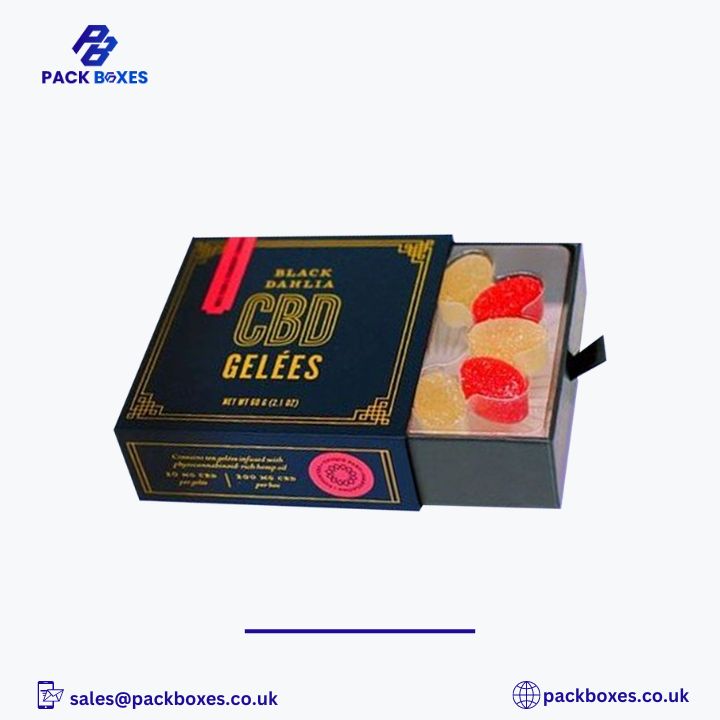
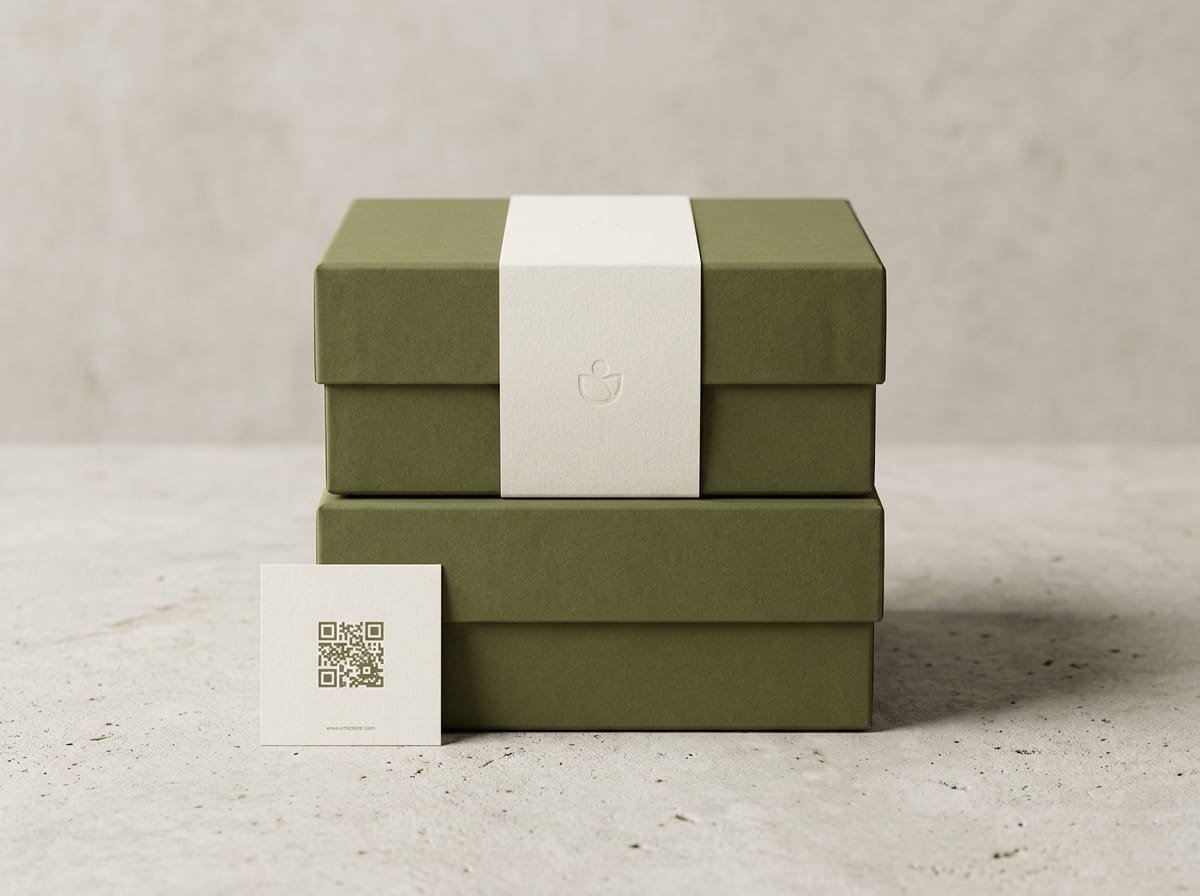
Branded packaging gives you a marketing touchpoint that every single customer sees, holds and opens. Ads reach people who might buy. Your box reaches people who already did, at the exact moment they feel most excited about your product. That makes branded packaging one of the few marketing channels you pay for once and use with every order. A plain brown box tells the customer nothing. A well designed box reminds them who you are, shows what you stand for and gives them a reason to share, review and buy again. This guide explains how branded packaging works as marketing, which elements matter most, how to plan a design that fits your budget and how to measure whether it pays off.
What Is Branded Packaging?
Branded packaging is any box, bag, wrap or insert that carries your brand identity. That includes your logo, colours, typography, tone of voice and visual style. It can be as simple as a stock box with a printed logo sticker or as rich as a fully custom printed mailer with a printed interior, tissue paper, a message card and a fitted insert.
The key idea is consistency. Your branded packaging should look and feel like your website, social media and product. When a customer sees your colour or logo on the doorstep, they should recognise you before they read a word. That instant recognition is what turns a container into a marketing asset.
Why Branded Packaging Works as Marketing
Branded packaging earns its place in your marketing plan for several clear reasons.
It reaches every customer. Every order you send carries your message straight into a customer’s home, with no algorithm deciding who sees it.
It shapes first impressions. For online shoppers, the box is often the first physical contact with your brand. A neat, well printed box signals that you care about quality before they even see the product.
It encourages sharing. Unboxing videos and photos remain popular on social platforms. Attractive branded packaging gives customers something worth filming, and each post puts your brand in front of their followers.
It builds recognition. A box that sits in a hallway, gets reused for storage or appears in a photo keeps your logo visible long after delivery.
It supports repeat sales. A message card with a discount code, a QR code or a reorder reminder gives customers a simple next step.
The Key Elements of Branded Packaging
Strong branded packaging blends several elements. You do not need all of them, but each one adds a layer to the experience.
Outer Box
The outer box carries the first impression. Use your brand colour, a clear logo and a clean layout. For shipping, a corrugated mailer box offers strength and a large printable surface. For retail, a printed folding carton or rigid box suits the shelf.
Printed Interior
Printing inside the box surprises customers when they open the lid. A short message, a pattern or your social handle adds personality without crowding the outside. Many brands find that inside print delivers strong impact for its cost.
Tissue Paper and Stickers
Custom tissue paper wrapped around the product and sealed with a logo sticker adds a sense of occasion. It also hides the product for a moment, which builds anticipation.
Inserts
A fitted insert holds products in place and presents them neatly. It also gives you another surface for branding, product names or instructions.
Message Cards
A printed card can thank the customer, tell your brand story, explain how to use the product or share a discount code. A handwritten touch on a small number of orders can feel very personal.
QR Codes
A QR code links the physical box to your digital world. Point it to a how to video, a review page, a loyalty sign up or a reorder page. Track scans to see how many customers engage.
How to Plan Branded Packaging That Fits Your Budget
Branded packaging does not have to be expensive. Plan it in layers and add more as your business grows.
Start with the essentials. A stock box with a printed logo sticker and a branded thank you card gives a professional feel at low cost.
Move to a custom printed outer box. Once your volumes grow, a box printed in your brand colours with your logo makes a stronger statement and removes the need for stickers.
Add a printed interior. Inside print gives a premium reveal without changing the outer look.
Introduce extras for key moments. Use tissue, ribbons or special finishes for launches, holidays and high value orders rather than every parcel.
This tiered approach lets branded packaging grow with your business while keeping costs under control. Ask your supplier about minimum order quantities, since some offer low minimums that suit small brands testing a design.
Design Tips for Branded Packaging That Gets Noticed
- Keep it simple. One strong colour, a clear logo and plenty of space often look more confident than a busy design.
- Match your brand everywhere. Use the same colours, fonts and tone as your website and social channels.
- Use one standout detail. A foil logo, a spot UV pattern or an embossed mark catches light and attention.
- Design for the camera. Think about how the box looks in a top down photo, since that is how many customers share it.
- Think about the reveal order. Plan what the customer sees first, second and third as they open the box.
- Make it easy to open. Tear strips and tuck flaps that open cleanly keep frustration away from the experience.
- Add a clear call to action. Tell customers exactly what to do next, such as tag you, leave a review or scan a code.
Good branded packaging design always serves the product. Protection comes first, then presentation.
Ideas by Industry
Different products call for different approaches. Here are practical ideas for common categories.
Beauty and skincare: soft colours, clean typography and a small foil logo suit most beauty brands. A printed insert that names each product helps customers find what they ordered, and a usage card explains the routine.
Candles and home fragrance: a rigid or tuck end box with a matte finish and a debossed logo feels calm and considered. Print the scent notes and burn time guidance on a side panel so the box stays useful after purchase.
Fashion and apparel: a slim mailer box with tissue wrap and a sticker seal gives clothing a boutique feel. Add a care card and a size exchange note to reduce confusion on returns.
Food and gifts: sturdy boxes with fitted inserts keep jars and treats secure. A warm message card and a clear best before panel balance charm with practical details. Check food contact rules with your supplier for anything that touches unwrapped food.
Supplements and wellness: clear, honest layouts build trust in this category. Keep directions and ingredient panels easy to read, and use a single accent colour to separate product lines.
Whatever you sell, the principle stays the same. Your box should feel like it belongs to your brand and nobody else, so customers know your parcel the moment it arrives.
Branded Packaging and Sustainability
Customers increasingly notice how much packaging they receive and whether they can recycle it. Sustainable branded packaging can strengthen your message rather than weaken it. Right size boxes to avoid wasted space and excess void fill. Choose recyclable card and paper over mixed materials where possible. Use water based inks and FSC certified board if your supplier offers them. Print simple recycling instructions on the box so customers know what to do.
You can also design boxes for reuse. A sturdy box with an attractive print often becomes storage, which keeps your logo in sight for months. Mention your sustainable choices on the box or card, but keep claims accurate and specific. Vague green claims can damage trust, and the UK Competition and Markets Authority has published guidance on making environmental claims fairly.
Using Branded Packaging for Campaigns and Seasons
Branded packaging does not have to stay the same all year. Limited edition designs for Christmas, Valentine’s Day or a product launch create excitement and give loyal customers a reason to buy again. Collaborations with artists or local causes can also add a story to the box.
Keep your core brand elements, such as your logo and main colour, so customers still recognise you. Change the accent colour, pattern or message card for each campaign. Short digital print runs make seasonal branded packaging affordable even for smaller brands.
How to Measure the Impact of Branded Packaging
Branded packaging is marketing, so measure it like marketing. Try these simple methods.
- Unique discount codes: print a code on the message card and track how many customers use it on their next order.
- QR code scans: use a trackable link to count scans and see which pages customers visit.
- Social mentions: ask customers to share with a brand hashtag and track tagged posts over time.
- Reviews: look for comments about packaging and presentation in your product reviews.
- Repeat purchase rate: compare repeat orders before and after a packaging change.
- Damage and returns: track breakage rates, since better branded packaging should also protect products.
Compare these results with your extra packaging cost per order. Even a small lift in repeat sales or social reach can cover the difference.
Common Branded Packaging Mistakes
The most common mistake is putting style ahead of protection. A beautiful box that arrives crushed hurts your brand more than a plain one. Another is inconsistency, where the box uses different colours or fonts from the website. Some brands also overload the box with leaflets and samples, which creates waste and clutter. Finally, many forget the call to action. Branded packaging works hardest when it gives customers a clear next step.
Final Word
Your box travels to every customer, lands in their hands and holds their attention at the most exciting point of the purchase. That makes branded packaging one of the most direct marketing channels you have. Start with a clear brand look, add a printed interior and a message card, and grow into extras as your budget allows. Measure results with codes, scans and reviews so you know what works. With the right plan, branded packaging protects your product, builds recognition and turns first time buyers into loyal customers.
Frequently Asked Questions
1. What is branded packaging?
Branded packaging is any box, wrap, bag or insert that carries your brand identity, including your logo, colours, fonts and tone of voice. It helps customers recognise your brand and creates a consistent experience.
2. Why is branded packaging important for ecommerce?
For online shoppers, branded packaging is often the first physical contact with a brand. It creates a positive first impression, encourages social sharing and supports repeat purchases.
3. Is branded packaging expensive?
Branded packaging can suit most budgets. Brands can start with logo stickers and printed cards, then move to custom printed boxes and printed interiors as order volumes grow.
4. What are the main elements of branded packaging?
The main elements include the outer box, printed interior, tissue paper, stickers, inserts, message cards and QR codes. Each element adds a layer to the unboxing experience.
5. How does branded packaging increase sales?
Branded packaging can increase sales by building recognition, encouraging social posts and reviews, and giving customers a next step such as a discount code or reorder QR code.
6. What is the best box for branded packaging?
Corrugated mailer boxes work well for ecommerce branded packaging because they are strong and print well inside and out. Folding cartons and rigid boxes suit retail and luxury products.
7. Can branded packaging be eco friendly?
Yes. Brands can use recyclable card and paper, FSC certified board, water based inks and right sized boxes. Clear recycling instructions help customers dispose of the packaging correctly.
8. How can I measure branded packaging ROI?
Track unique discount codes, QR code scans, social mentions, packaging related reviews, repeat purchase rates and damage rates, then compare the results against your packaging cost per order.
9. Should I print inside my boxes?
Printing inside the box is a popular way to add a surprise at the unboxing moment. It works well for messages, patterns and social handles without crowding the outer design.
10. Can small businesses use branded packaging?
Yes. Many suppliers offer low minimum order quantities and digital printing for short runs, which makes branded packaging practical for small businesses and new brands.