Packaging plays a critical role in product presentation, protection, and marketing. For businesses in the UK, selecting the right packaging type is vital to ensure products arrive safely, appeal to consumers, and reflect brand identity. In this article, we will explore three main types of packaging and discuss how Custom Printed Packaging can enhance the overall experience for both businesses and customers.
Introduction to Packaging
Packaging is more than just a container; it is a powerful marketing tool. It protects products during transit, preserves freshness for perishable goods, and creates a lasting impression on customers. For businesses looking to stand out in a competitive market, using Custom Printed Packaging is essential. This allows brands to include their logos, colors, and messaging directly on packaging, creating a unique unboxing experience that customers remember.
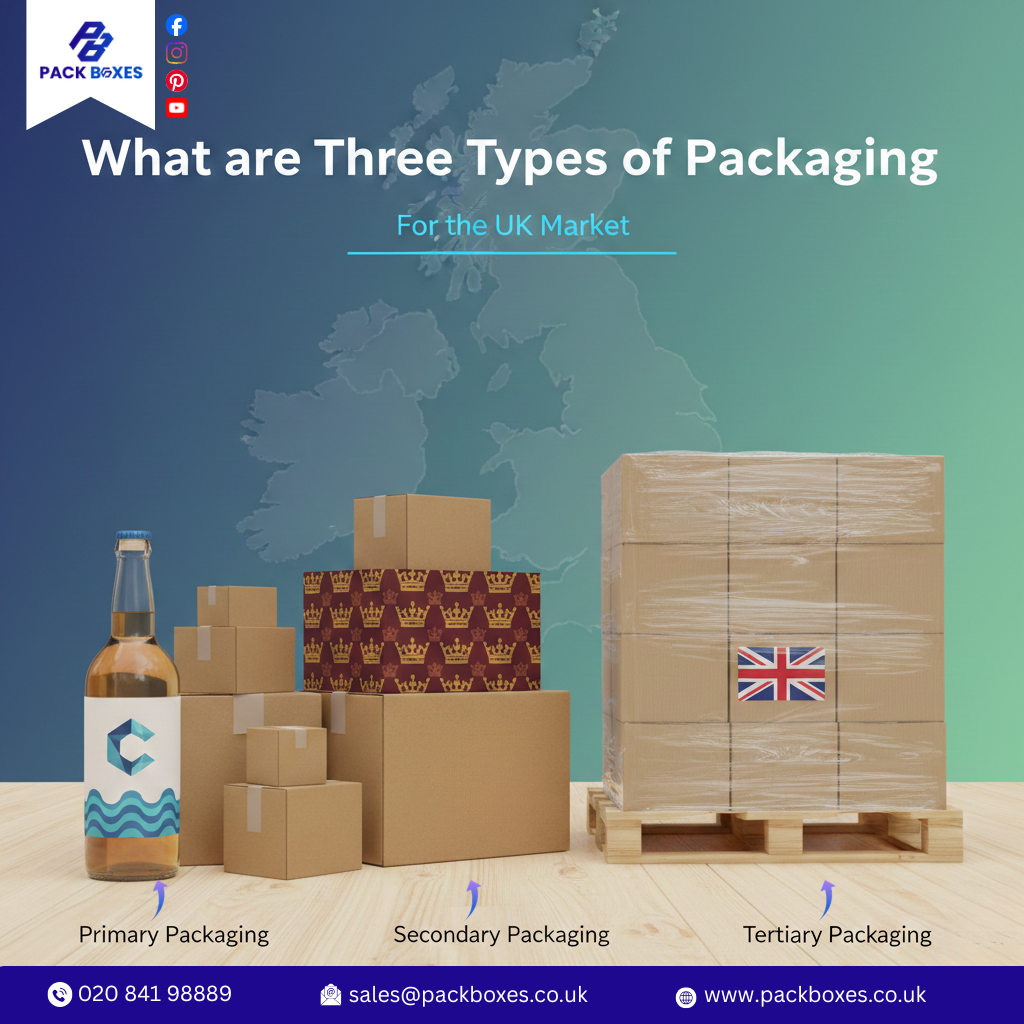
There are numerous packaging options available, but three types stand out as the most popular and effective: primary packaging, secondary packaging, and tertiary packaging. Understanding these types will help businesses make informed decisions about which solution fits their product and marketing strategy.
1. Primary Packaging
What is Primary Packaging?
Primary packaging is the layer of packaging that directly comes into contact with the product. It is designed to protect the product and provide essential information to consumers, such as ingredients, usage instructions, and expiration dates.
Examples of Primary Packaging
- Bottles and jars: Common for liquids, sauces, and cosmetics.
- Blister packs: Often used for pharmaceuticals and small consumer electronics.
- Boxes and pouches: Used for foods, small gadgets, and personal care items.
Importance of Primary Packaging
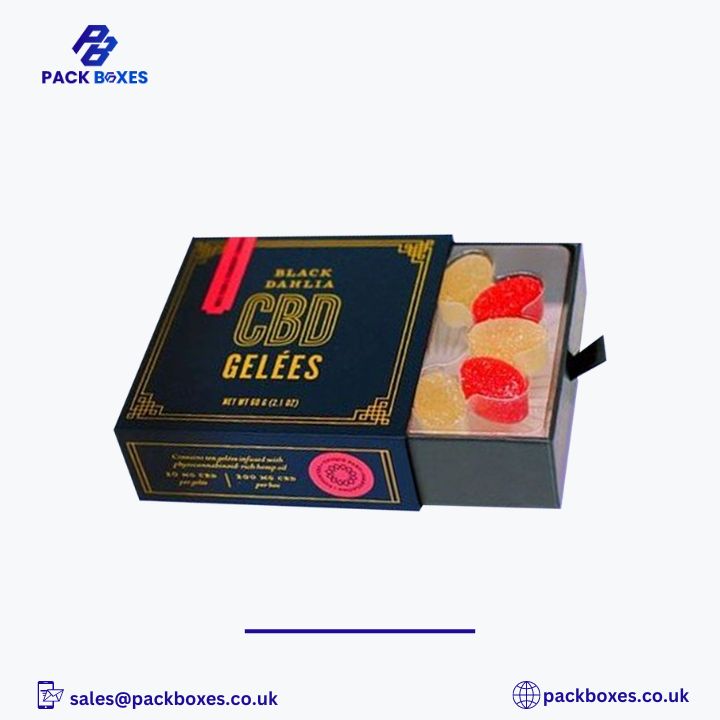
Primary packaging ensures that the product remains intact and safe until it reaches the end consumer. It also provides opportunities for branding. Businesses can incorporate their identity through Custom Printed Packaging, creating a memorable and professional look that attracts attention in stores or online.
2. Secondary Packaging
What is Secondary Packaging?
Secondary packaging refers to the outer layer of packaging that holds primary packages together. It is often used for shipping, storage, and display purposes. Unlike primary packaging, it may not touch the product directly but plays a crucial role in organizing and protecting products during transportation.
Examples of Secondary Packaging
- Cartons and boxes: These can hold multiple units of a product for bulk storage or retail display.
- Shrink wraps and sleeves: Used to bundle products together or provide tamper evidence.
- Paperboard packaging: Common for cosmetics, food products, and electronics.
Benefits of Secondary Packaging
Secondary packaging offers additional protection against damage, dust, and contamination. It also provides an opportunity for marketing. Businesses in the UK often utilize Custom Printed Packaging for secondary layers, incorporating logos, product images, or promotional messages. This creates a professional appearance on shelves and strengthens brand recognition.
3. Tertiary Packaging
What is Tertiary Packaging?
Tertiary packaging is used for bulk handling, storage, and transportation. It is designed primarily for logistics purposes, helping to ensure that products reach their destination safely. Tertiary packaging is not intended for display or direct consumer use but is essential in the supply chain.
Examples of Tertiary Packaging
- Pallets: Large flat structures used to transport multiple boxes at once.
- Stretch films and shrink wraps: Secure products on pallets to prevent movement.
- Crates and heavy-duty boxes: Used for large or fragile items requiring extra protection.
Benefits of Tertiary Packaging
Tertiary packaging protects goods during transit, reduces handling damage, and allows for easier inventory management. While its main purpose is functional, some companies still include branding elements, such as labels or Custom Printed Packaging designs, even on tertiary layers, for enhanced visibility and professionalism during shipping.
How Custom Printed Packaging Enhances All Three Types
Using Custom Printed Packaging across primary, secondary, and tertiary layers helps businesses achieve a consistent and professional brand presence. Some key benefits include:
- Brand identity: Your logo, colors, and designs reinforce brand recognition.
- Consumer experience: Attractive packaging enhances the unboxing experience, making products more appealing.
- Marketing advantage: Custom packaging can be used for promotions, seasonal campaigns, or special product editions.
- Information delivery: Clear labeling ensures consumers have all necessary product information.
In the UK, businesses of all sizes are embracing Custom Printed Packaging as a way to differentiate themselves in a crowded market while also providing practical protection for products.
Choosing the Right Type of Packaging
When selecting packaging, consider the following factors:
- Product type: Fragile, perishable, or heavy products require different packaging materials.
- Branding goals: Determine how much emphasis you want on design and branding.
- Cost considerations: Balance functionality and aesthetics within your budget.
- Environmental impact: Sustainable packaging options are increasingly popular in the UK market.
- Logistics requirements: Ensure that packaging can handle transportation and storage efficiently.
A strategic approach ensures that primary, secondary, and tertiary packaging work together seamlessly while showcasing your brand effectively.
Popular Materials Used in Packaging
Packaging materials vary depending on product requirements, cost, and sustainability goals. Common options include:
- Cardboard and paperboard: Lightweight, recyclable, and perfect for custom designs.
- Plastic: Durable and versatile, often used for liquids and perishable items.
- Glass: Ideal for luxury products and food items, providing elegance and protection.
- Metal: Strong and reusable, often used for beverages and premium goods.
- Biodegradable options: Environmentally friendly materials such as cornstarch or recycled paper are increasingly preferred.
Incorporating Custom Printed Packaging on these materials ensures that your branding remains consistent while meeting functional needs.
Trends in Packaging in the UK
The UK packaging industry is evolving, and businesses are adopting innovative approaches:
- Sustainable packaging: Reducing plastic use and focusing on recyclable or compostable materials.
- Minimalist design: Clean, simple designs with clear messaging.
- Interactive packaging: QR codes or augmented reality features to engage customers.
- Premium custom packaging: Using Custom Printed Packaging to create a luxurious feel for high-end products.
These trends help brands stand out and appeal to environmentally conscious consumers while enhancing the overall experience.
FAQs About Packaging
1. What is the difference between primary, secondary, and tertiary packaging?
Primary packaging touches the product directly, secondary packaging holds multiple primary packages for display or shipping, and tertiary packaging is used for bulk transport and storage.
2. How can Custom Printed Packaging benefit my business?
It strengthens brand identity, improves customer experience, and serves as a marketing tool to make your products stand out.
3. Are there eco-friendly packaging options in the UK?
Yes, businesses are increasingly using recyclable, biodegradable, or compostable materials for sustainable packaging solutions.
4. Can I use Custom Printed Packaging for shipping purposes?
Absolutely. You can include logos, labels, and designs on both secondary and tertiary packaging for a professional appearance.
5. Which packaging material is best for fragile products?
Materials like cardboard, bubble wrap, foam inserts, or sturdy plastics provide protection for fragile items during transit.
6. How important is packaging design for online sales?
Packaging design is crucial for online sales because it impacts customer perception and enhances the unboxing experience.
7. Can Custom Printed Packaging help with marketing campaigns?
Yes, you can include promotional messages, seasonal offers, or QR codes on packaging to engage customers and boost marketing efforts.
8. What is the most common type of packaging used in the UK?
Cardboard and paperboard are most common due to their versatility, recyclability, and ease of customization.
9. Can tertiary packaging be branded?
While primarily functional, some businesses use Custom Printed Packaging on tertiary layers for shipping and logistics visibility.
10. How do I choose the right packaging for my product?
Consider product type, brand identity, budget, environmental impact, and transportation requirements to select the most suitable packaging type.
Conclusion
Understanding the three types of packaging—primary, secondary, and tertiary—is essential for businesses in the UK looking to protect their products and enhance brand recognition. Using Custom Printed Packaging across all levels allows companies to create a professional, memorable, and functional packaging solution.
From luxury items to everyday goods, investing in well-designed, customized packaging not only safeguards your products but also elevates the customer experience and strengthens your brand in a competitive market.
By choosing the right packaging materials, designs, and customization options, your business can deliver products safely while leaving a lasting impression on your customers.