Rosin rewards careful handling. The concentrate loses aroma and texture when exposed to air, light, and heat. The wrong container turns a premium product into a sticky, oxidised mess. Rosin packaging must protect the product, present it well, and meet UK safety expectations. PackBoxes UK helps concentrate brands choose the right format and build custom packaging UK around it.
Why Rosin Demands a Different Packaging Approach
Rosin is a solventless concentrate with a delicate terpene profile. It reacts to oxygen, light, and temperature changes. A container that does not seal tightly allows oxidation. A clear jar that sits under retail lighting accelerates degradation. Rosin packaging must create a barrier against these threats while keeping the product accessible to the consumer.
Texture also matters. Rosin ranges from shattery and brittle to soft and sticky. A brittle product can crack or shatter inside a rigid container that offers no cushioning. A soft product can smear across a wide jar surface and become difficult to handle. The right rosin packaging format matches the container to the product’s physical behaviour.
Glass Jars: The Premium Standard for Rosin
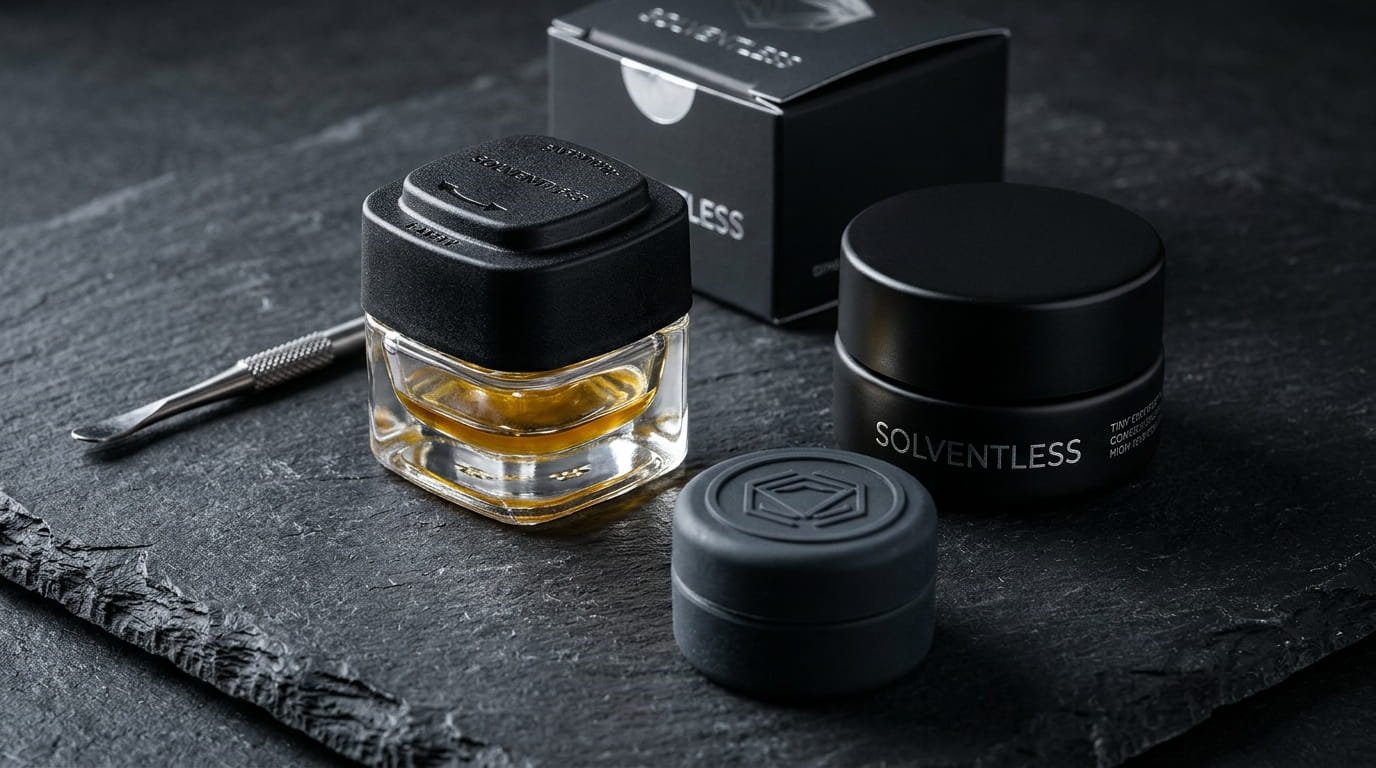
Glass jars remain the most common format for premium rosin. Glass is inert, does not react with the concentrate, and does not absorb terpenes. A 5ml square glass jar with a child-resistant lid suits small-batch rosin and offers a premium presentation. The square shape uses shelf space efficiently and gives the label a flat surface for branding.
Glass also supports the unboxing experience. A jar feels substantial. The lid opens with a satisfying weight. The product sits visible through the glass, allowing the consumer to inspect colour and texture. Rosin packaging in glass signals quality. PackBoxes UK designs outer cartons and display units that protect the glass jar and present it professionally. The combination of a glass jar inside a custom packaging UK carton delivers both protection and brand presence.
Silicone Containers: Practical but Limited
Silicone containers offer a non-stick surface that suits sticky rosin. The material is flexible, lightweight, and shatterproof. It works well for travel formats and sample sizes. However, silicone is not a complete barrier against oxygen and moisture over long periods. It also can absorb and retain terpenes, which affects flavour over time.
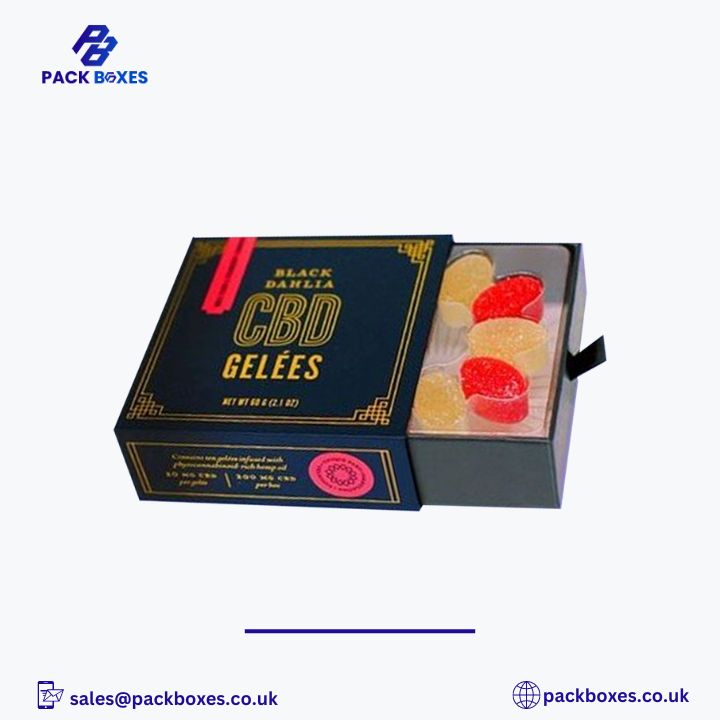
Rosin packaging in silicone suits short-term storage and consumer convenience. It does not replace glass for premium retail products. Brands sometimes use a silicone insert inside a rigid outer box to combine the non-stick benefit with structural protection. PackBoxes UK can design a custom packaging UK solution that pairs a silicone inner with a printed outer carton for a retail-ready finish.
Child-Resistance and Tamper-Evidence for Concentrates
UK packaging regulations increasingly expect child-resistant closures for cannabis-related concentrates. The exact legal position depends on the product classification, but retail and safety expectations point clearly toward child-resistant rosin packaging. The Human Medicines Regulations and related standards recognise child-resistant fastenings tested to EN ISO/IEC 17025 standards.
Tamper-evidence is the companion requirement. A consumer needs to see whether the container has been opened before purchase. Rosin packaging can use a tamper-evident seal on the lid or a shrink band around the closure. The outer box can also carry a tamper-evident label. PackBoxes UK helps brands select closures and seals that meet these expectations without compromising usability for adults.
Labelling and Compliance for Rosin Products
UK rosin packaging must carry clear product information. The label should state the product type, weight or volume, batch number, and any required safety warnings. If the product falls under a regulated category, additional requirements may apply. The label must avoid unsubstantiated medicinal claims. A concentrate sold for general use cannot claim to treat a condition.
The outer box and the inner container both carry information. Rosin packaging should keep the batch number visible on the primary container, not just the outer carton. If the outer box is discarded, the consumer still needs identification. PackBoxes UK designs labels and cartons that work together, with consistent batch coding and clear hierarchy.
Design and Shelf Presence for Concentrate Brands
Concentrate retail is a small-format category. A 5ml jar occupies very little shelf space. Rosin packaging must make that small footprint count. A well-designed outer carton can increase the visual footprint without increasing the product size. The carton becomes the billboard, while the jar inside delivers the product experience.
Materials and finishes shape perception. Matte black board with spot UV suggests luxury. Kraft board with minimal printing signals craft and authenticity. A window patch lets the consumer see the jar while keeping the carton sealed. PackBoxes UK helps brands choose the format and finish that match their price point and customer. Custom packaging UK from PackBoxes UK turns a small jar into a shelf presence.
PackBoxes UK: Rosin Packaging Built Around the Product
PackBoxes UK designs rosin packaging around the product’s physical needs and the brand’s retail goals. The team advises on jar formats, closure types, outer carton structure, and labelling layout. Custom packaging UK options include eco-friendly materials, custom dimensions, and finishing choices that reflect the brand identity.
Whether you need a child-resistant glass jar with a printed outer sleeve or a sample-size silicone format with a branded carton, PackBoxes UK can build the solution. The company helps brands avoid the common mistake of choosing a container that looks good but fails to protect the concentrate. Get in touch to discuss your rosin packaging project.
Frequently Asked Questions
- What is the best container for rosin?
Glass jars are the premium standard. They are inert, do not absorb terpenes, and protect the concentrate from oxidation when sealed tightly. - Are child-resistant rosin jars required in the UK?
Child-resistant closures are strongly recommended and often expected for cannabis-related concentrates. The exact legal position depends on product classification. - What size jar suits rosin?
A 5ml square glass jar is a common format for small-batch rosin. It uses shelf space efficiently and supports premium presentation. - Can I use silicone for rosin packaging?
Silicone suits short-term storage and travel formats. It is not a complete oxygen barrier and can absorb terpenes over time, so glass remains better for premium retail. - How do I make rosin packaging tamper-evident?
Use a tamper-evident seal on the lid, a shrink band around the closure, or a tamper-evident label on the outer box. - What must a rosin label include?
The label should include product type, weight or volume, batch number, and required safety warnings. It must avoid unsubstantiated medicinal claims. - Does rosin need an outer box?
An outer box is not always mandatory, but it increases shelf presence, protects the jar, and provides space for branding and compliance information. - Can PackBoxes UK design a custom rosin jar carton?
Yes. PackBoxes UK builds custom packaging UK solutions around your jar dimensions, including printed outer cartons and display units. - What materials work well for rosin outer packaging?
Matte black board, kraft board, and rigid board all work. Finishes like spot UV and soft-touch coating can signal different price points. - Does PackBoxes UK offer eco-friendly rosin packaging?
Yes. Recycled board and sustainable material options are available for brands that want a more environmentally conscious rosin packaging solution.