Building your own custom brand is no longer a luxury reserved for large corporations. In today’s competitive market, especially in the UK, small and medium-sized businesses are creating powerful brands that stand shoulder to shoulder with industry giants. A strong brand is more than just a logo or a name—it is the identity, personality, and promise that customers connect with emotionally.
At Pack Boxes, we understand that branding begins with visibility, consistency, and presentation. From your brand message to the packaging your customers touch, every detail plays a vital role in shaping perception. This guide will walk you step by step through how to create your own custom brand from scratch and position it for long-term success.
Understanding What a Custom Brand Really Is
A custom brand is the unique identity that distinguishes your business from competitors. It includes:
- Your brand name
- Visual elements (logo, colours, fonts)
- Brand voice and messaging
- Customer experience
- Product presentation and packaging
Your brand tells customers who you are, what you stand for, and why they should trust you. In the UK market, where consumers are highly brand-aware, having a clear and consistent brand identity is essential.
Step 1: Define Your Brand Purpose and Vision
Before designing anything, you must answer some foundational questions:
- Why does your brand exist?
- What problem does it solve?
- What values does it represent?
- Who is your ideal customer?
Your brand purpose is your “why.” For example, a skincare brand may exist to promote clean beauty, while a food brand may focus on sustainability or health. Clear purpose creates emotional connections and builds loyalty.
Your vision should describe where you want your brand to be in the next 5–10 years. This vision will guide every branding decision you make.
Step 2: Research Your Target Market
Successful branding is customer-focused, not business-focused. In the UK, consumer behaviour varies widely based on region, age group, and purchasing habits.
Key research areas include:
- Demographics (age, gender, income)
- Buying behaviour
- Pain points and expectations
- Competitor branding styles
Study your competitors carefully. Identify what works, what doesn’t, and where there is a gap you can fill. Your goal is not to copy but to differentiate.
Step 3: Create a Strong Brand Name
Your brand name should be:
- Easy to remember
- Easy to pronounce
- Relevant to your industry
- Unique and legally available
A strong brand name helps customers instantly recognise your business. Before finalising, check domain availability and trademark registrations in the UK to avoid future legal issues.
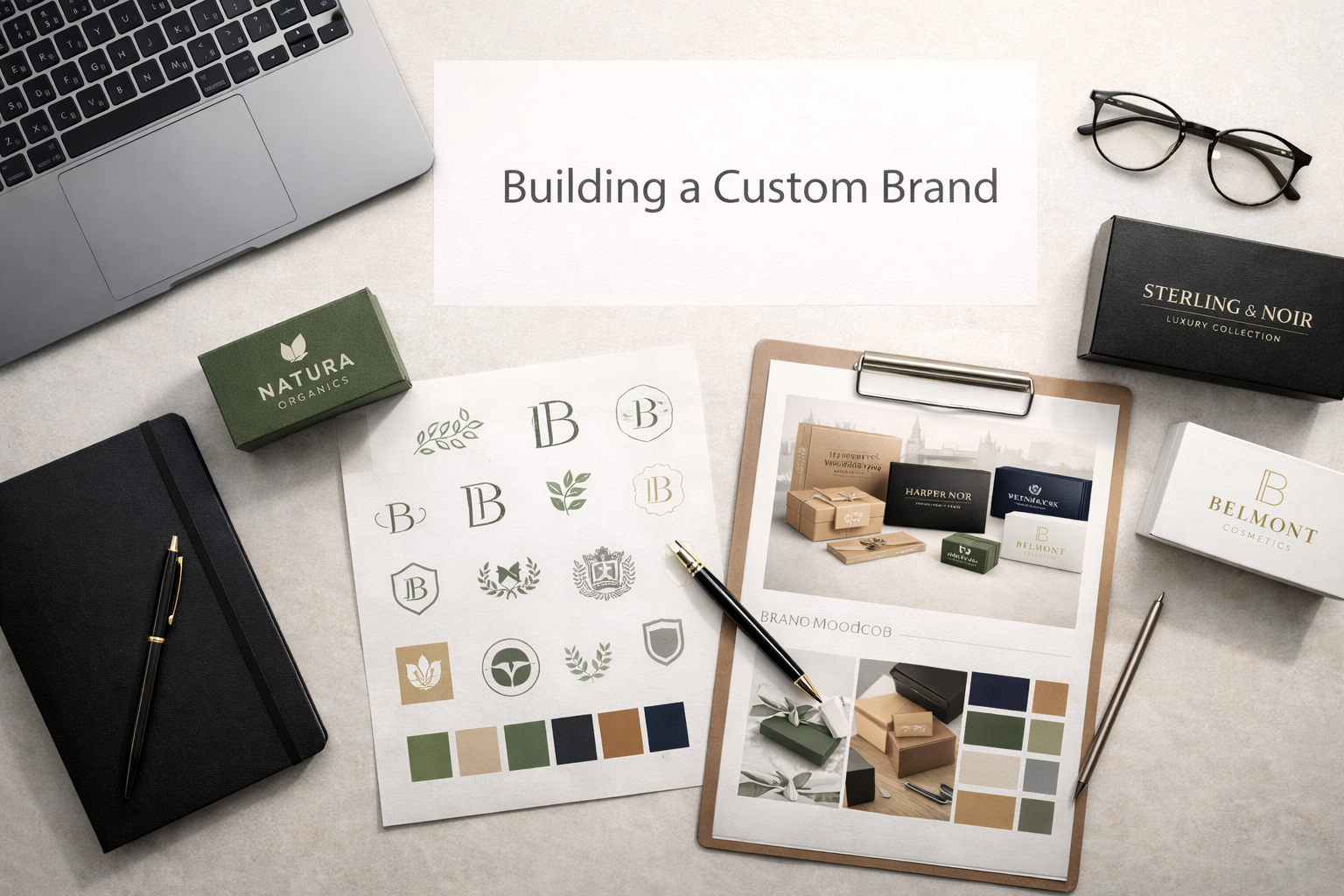
Step 4: Design a Professional Brand Identity
Your visual identity is often the first impression customers have of your brand.
Logo Design
Your logo should reflect your brand personality—modern, luxurious, playful, or minimal. It must look good across all platforms, including packaging, websites, and social media.
Colour Palette
Colours evoke emotions. For example:
- Blue = trust and reliability
- Black = luxury and sophistication
- Green = sustainability and nature
Choose a consistent colour palette that aligns with your brand message.
Typography
Fonts should be readable and aligned with your brand tone. Consistency across all materials builds recognition.
Step 5: Build a Clear Brand Voice
Your brand voice is how you communicate with your audience. It should remain consistent across:
- Website content
- Social media
- Email marketing
- Packaging text
Decide whether your brand voice is:
- Professional
- Friendly
- Bold
- Informative
- Luxury-focused
In the UK market, customers value clarity, honesty, and authenticity, so avoid over-promising and focus on transparency.
Step 6: Develop High-Quality Products or Services
No amount of branding can save a poor product. Your offerings must deliver on your brand promise.
Ensure:
- Consistent quality
- Clear value proposition
- Reliable customer support
Customer experience is a core part of branding. A satisfied customer becomes a brand ambassador.
Step 7: Use Packaging as a Branding Tool
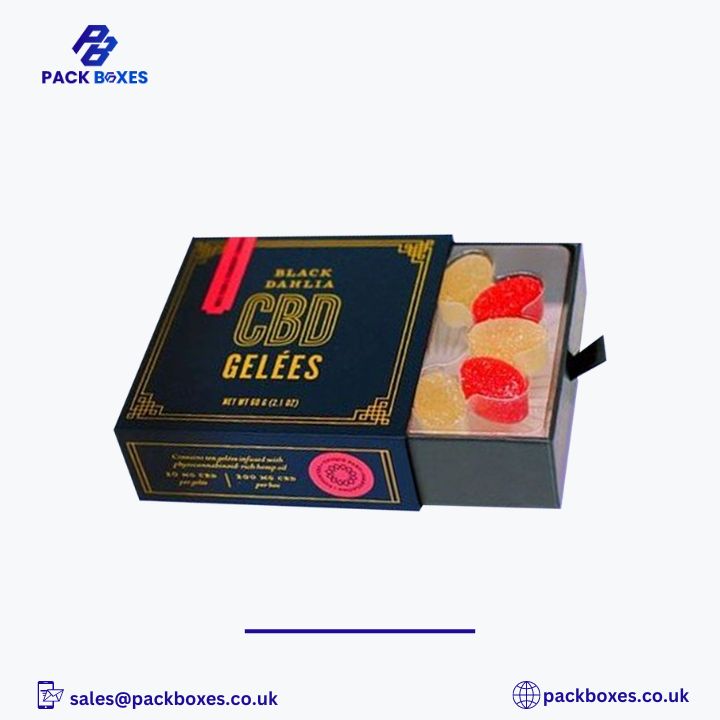
Packaging is one of the most powerful branding elements. It is often the first physical interaction customers have with your brand.
High-quality Custom Packaging in UK markets allows businesses to:
- Enhance product presentation
- Build trust and credibility
- Increase brand recall
- Encourage repeat purchases
At Pack Boxes, custom packaging is designed not only to protect products but also to tell your brand story through colours, materials, and finishes.
Step 8: Maintain Brand Consistency Everywhere
Consistency builds trust. Your brand should look and feel the same across all platforms:
- Website
- Social media
- Packaging
- Advertising
- Customer service
Inconsistent branding confuses customers and weakens your identity. Create brand guidelines to ensure uniformity as your business grows.
Step 9: Build an Online Presence
Your website and social media profiles are digital storefronts.
Website Essentials
- Clear brand messaging
- Professional design
- Mobile responsiveness
- Fast loading speed
Social Media Branding
Use consistent visuals, tone, and messaging. Engage with your audience regularly to build relationships and brand loyalty.
Step 10: Gain Customer Trust Through Storytelling
People don’t just buy products—they buy stories. Share your journey, values, and mission.
Storytelling humanises your brand and makes it relatable. UK consumers particularly appreciate brands that are transparent and purpose-driven.
Step 11: Invest in Marketing and Brand Awareness
Branding doesn’t end once your logo is ready. Continuous promotion is necessary.
Effective strategies include:
- Content marketing
- SEO optimisation
- Paid advertising
- Influencer collaborations
- Email campaigns
Over time, consistent marketing strengthens your brand’s authority and recognition.
Step 12: Evolve Your Brand Over Time
A strong brand grows with its audience. Stay open to:
- Customer feedback
- Market trends
- Design updates
Evolution doesn’t mean losing identity—it means staying relevant.
Why Pack Boxes Is the Right Partner for Your Brand
At Pack Boxes, we help businesses across the UK bring their branding vision to life through premium packaging solutions. From startups to established brands, we understand how packaging influences buying decisions and brand perception.
Our focus is on quality, creativity, and consistency—key elements needed to build a memorable custom brand.
Frequently Asked Questions (FAQs)
1. What is a custom brand?
A custom brand is a unique business identity that includes your name, visuals, messaging, and customer experience, designed to stand out from competitors.
2. How long does it take to build a brand?
Branding is an ongoing process. Initial branding may take weeks, but building recognition and trust can take months or even years.
3. Why is branding important for small businesses in the UK?
Branding helps small businesses compete with larger companies by building trust, recognition, and customer loyalty.
4. Can packaging really affect brand perception?
Yes. Packaging plays a major role in how customers perceive quality, professionalism, and value.
5. How often should a brand be updated?
Minor updates can be done every few years, while major rebranding should only happen if the brand no longer aligns with business goals.
6. Is branding only about visuals?
No. Branding includes customer experience, tone of voice, product quality, and emotional connection.
7. What makes a brand trustworthy?
Consistency, honesty, quality products, and excellent customer service build trust over time.
8. Can startups afford professional branding?
Yes. Strategic branding is an investment that saves money long-term by improving recognition and customer retention.
9. How does custom packaging help new brands?
It creates a strong first impression, improves perceived value, and helps customers remember your brand.
10. Why choose Pack Boxes for branding support?
Pack Boxes offers tailored packaging solutions designed to enhance brand identity, quality perception, and customer experience across the UK.