In 2026, pharmaceutical packaging has evolved far beyond simple containment. It now plays a critical role in ensuring patient safety, maintaining drug efficacy, and supporting healthcare systems across the UK. With increasing regulations, technological advancements, and patient-centered care models, pharmaceutical packaging has become a cornerstone of modern medicine.
From preventing contamination to ensuring accurate dosage, the importance of high-quality packaging cannot be overstated. For UK healthcare brands and manufacturers, investing in innovative packaging solutions is not just a regulatory requirement—it’s a responsibility toward patient well-being.
The Role of Pharmaceutical Packaging in Patient Safety
Pharmaceutical packaging serves multiple essential functions that directly impact patient safety. It protects medications from environmental factors, ensures proper identification, and provides vital information to users.
1. Protection Against Contamination
Medicines are highly sensitive to external elements such as moisture, air, light, and temperature fluctuations. Poor packaging can compromise the integrity of the drug, making it ineffective or even harmful.
Modern packaging solutions in the UK are designed to:
- Maintain sterility
- Prevent microbial contamination
- Extend shelf life
Blister packs, tamper-evident seals, and airtight containers are commonly used to ensure maximum protection.
2. Accurate Dosage and Administration
Incorrect dosage is one of the leading causes of medication errors. Packaging plays a crucial role in guiding patients on how to take their medication correctly.
Features that enhance dosage accuracy include:
- Clearly labeled instructions
- Unit-dose packaging
- Pre-measured syringes
These innovations significantly reduce the risk of overdose or underdose, especially among elderly patients and children.
3. Tamper-Evident and Anti-Counterfeit Measures
Counterfeit medicines are a growing concern globally, including in the UK. Advanced pharmaceutical packaging incorporates security features to protect both patients and brands.
Key safety features include:
- Holographic seals
- QR codes for authentication
- Serialisation and track-and-trace systems
These measures help ensure that patients receive genuine medications.
Technological Advancements in 2026
The pharmaceutical packaging industry in 2026 is heavily influenced by cutting-edge technologies that enhance safety and usability.
Smart Packaging
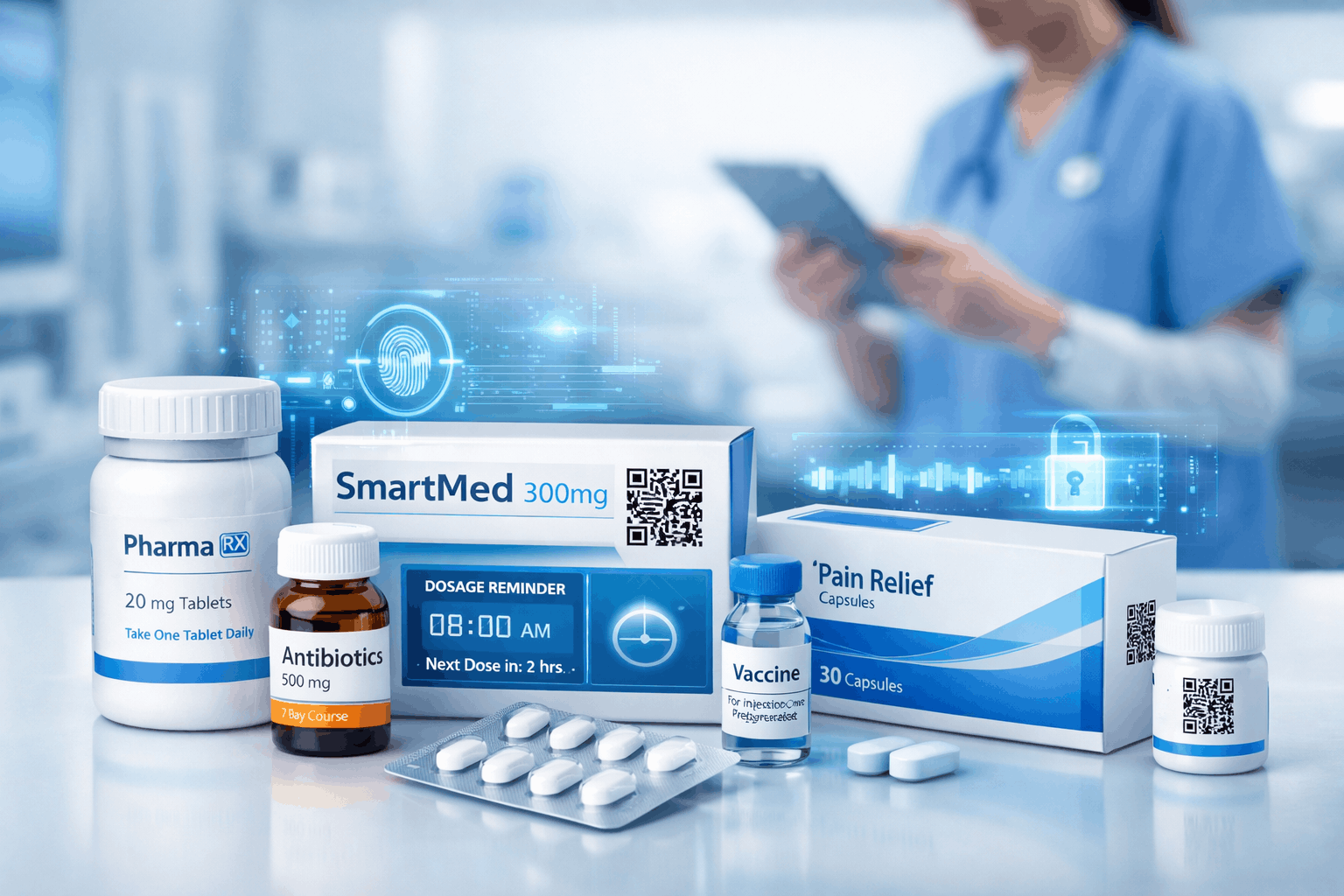
Smart packaging uses embedded technology to provide real-time information about the medication.
Examples include:
- Temperature-sensitive labels
- Digital reminders for dosage
- NFC-enabled packaging for authentication
These innovations improve adherence and reduce human error.
Sustainable and Safe Materials
Sustainability is a major focus in the UK pharmaceutical industry. Manufacturers are now using eco-friendly materials without compromising safety.
Popular materials include:
- Recyclable plastics
- Biodegradable packaging
- Paper-based blister packs
Sustainable packaging not only protects patients but also the environment.
Regulatory Compliance in the UK
Pharmaceutical packaging in the UK must comply with strict regulations to ensure safety and quality.
Key Regulatory Bodies
- MHRA (Medicines and Healthcare products Regulatory Agency)
- EU Falsified Medicines Directive (still influential in UK standards)
These organizations enforce guidelines related to:
- Labeling accuracy
- Packaging materials
- Anti-counterfeit measures
Non-compliance can lead to severe penalties and risks to patient health.
The Importance of Clear Labeling
Clear and concise labeling is essential for patient safety. Misinterpretation of instructions can lead to serious health risks.
Essential Label Information
- Drug name and strength
- Dosage instructions
- Expiry date
- Storage conditions
- Warning labels
In 2026, many UK brands are adopting multilingual labels and user-friendly designs to improve accessibility.
Child-Resistant Packaging
Child safety is a top priority in pharmaceutical packaging. Accidental ingestion of medication by children can be fatal.
Features of Child-Resistant Packaging
- Push-and-turn caps
- Blister packs requiring force to open
- Locking mechanisms
These designs prevent children from accessing harmful substances while remaining accessible to adults.
Senior-Friendly Packaging
While child-resistant packaging is crucial, it must also be easy for elderly patients to use.
Balancing Safety and Accessibility
Innovations include:
- Easy-open caps
- Large fonts for readability
- Ergonomic designs
This balance ensures that all patients can safely access their medication.
The Role of Branding in Safety
Branding is not just about aesthetics—it also contributes to patient safety.
How Branding Helps
- Differentiates medications
- Reduces confusion between similar products
- Enhances trust in the product
High-quality Custom Printed Pharmaceutical Packaging ensures that branding is clear, professional, and informative, minimizing the risk of errors.
Supply Chain and Packaging Integrity
Pharmaceutical packaging must remain intact throughout the supply chain.
Challenges in Distribution
- Temperature fluctuations
- Physical damage during transit
- Storage conditions
To address these issues, companies use:
- Insulated packaging
- Shock-resistant materials
- Real-time tracking systems
The Impact of Digital Integration
Digital transformation is reshaping pharmaceutical packaging in 2026.
Digital Features
- QR codes linking to patient information
- Mobile apps for medication tracking
- Blockchain for supply chain transparency
These technologies empower patients and improve overall safety.
Future Trends in Pharmaceutical Packaging
Looking ahead, the pharmaceutical packaging industry in the UK is set to become even more advanced.
Emerging Trends
- AI-driven packaging design
- Personalized medication packaging
- Increased automation in production
- Smart labels with real-time monitoring
These trends will further enhance patient safety and efficiency.
Conclusion
Pharmaceutical packaging in 2026 is a vital component of patient safety. From protecting medications to ensuring proper usage, it plays a multifaceted role in healthcare. In the UK, strict regulations and technological advancements are driving innovation in this field.
For companies like Pack Boxes, investing in high-quality packaging solutions is essential to meet industry standards and protect patients. As the industry continues to evolve, pharmaceutical packaging will remain a key factor in delivering safe and effective healthcare.
FAQs
1. Why is pharmaceutical packaging important for patient safety?
Pharmaceutical packaging protects medicines from contamination, ensures accurate dosage, and provides essential information to patients.
2. What are tamper-evident features?
Tamper-evident features indicate whether a product has been opened or altered, ensuring the medicine is safe to use.
3. How does packaging prevent counterfeit drugs?
Packaging includes security elements like QR codes, holograms, and serial numbers to verify authenticity.
4. What is smart pharmaceutical packaging?
Smart packaging uses technology like sensors and NFC to provide real-time information and improve medication adherence.
5. Are eco-friendly packaging materials safe for medicines?
Yes, modern sustainable materials are designed to meet safety standards while reducing environmental impact.
6. What is child-resistant packaging?
It is designed to prevent children from accessing medications, reducing the risk of accidental ingestion.
7. How does labeling affect patient safety?
Clear labeling ensures patients understand how to use the medication correctly, reducing errors.
8. What role does the UK government play in packaging safety?
Regulatory bodies like MHRA enforce strict guidelines to ensure pharmaceutical packaging meets safety standards.
9. Can packaging improve medication adherence?
Yes, features like reminders, clear instructions, and smart technology help patients follow their treatment plans.
10. What are the future trends in pharmaceutical packaging?
Future trends include AI integration, personalized packaging, and advanced smart technologies for enhanced safety.