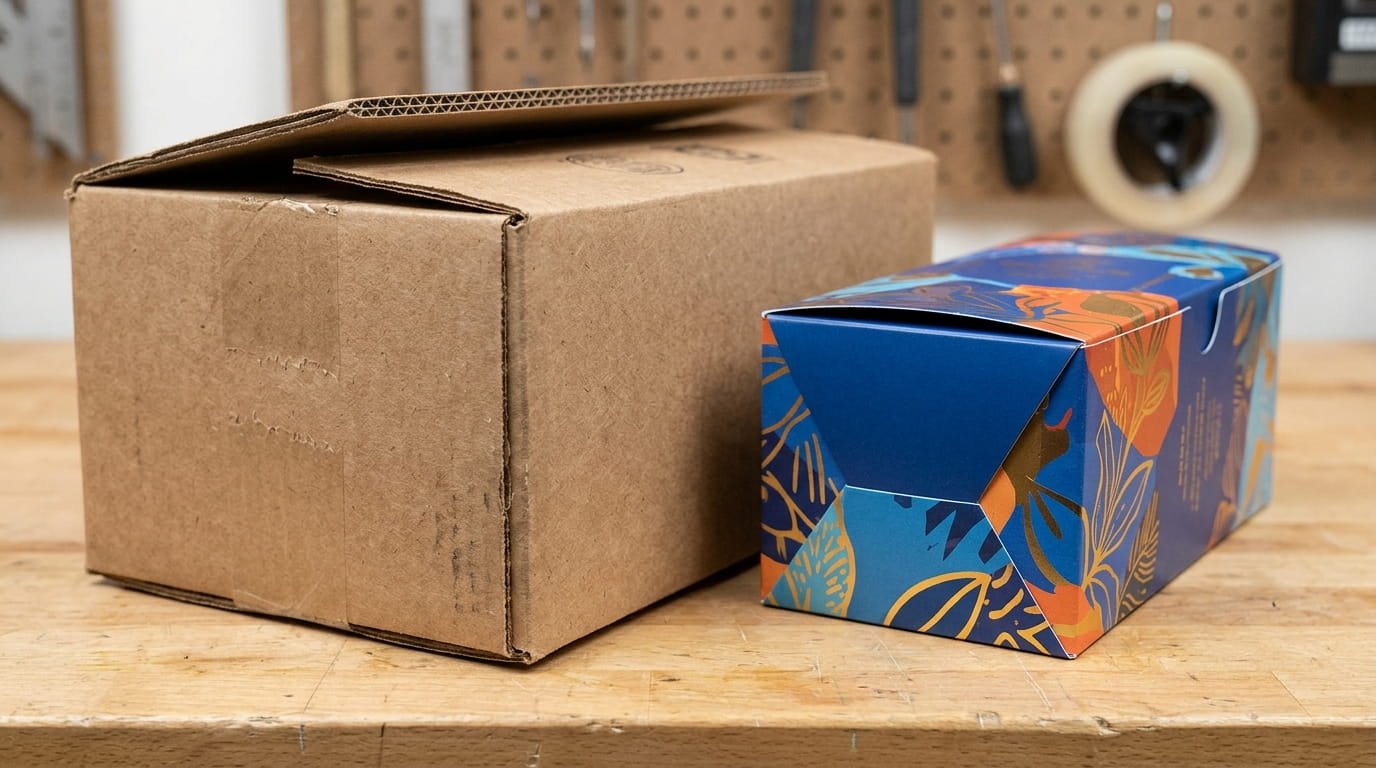
Selecting the right box style protects your product and controls your budget. Two primary constructions dominate the packaging market: corrugated and folding cartons. Both serve distinct purposes within the supply chain. Therefore, understanding their physical differences prevents costly packaging failures. When consulting corrugated packaging manufacturers, you must know exactly which format fits your operational needs. This comprehensive guide compares both options to help you make an informed, strategic decision.
Understanding Folding Cartons
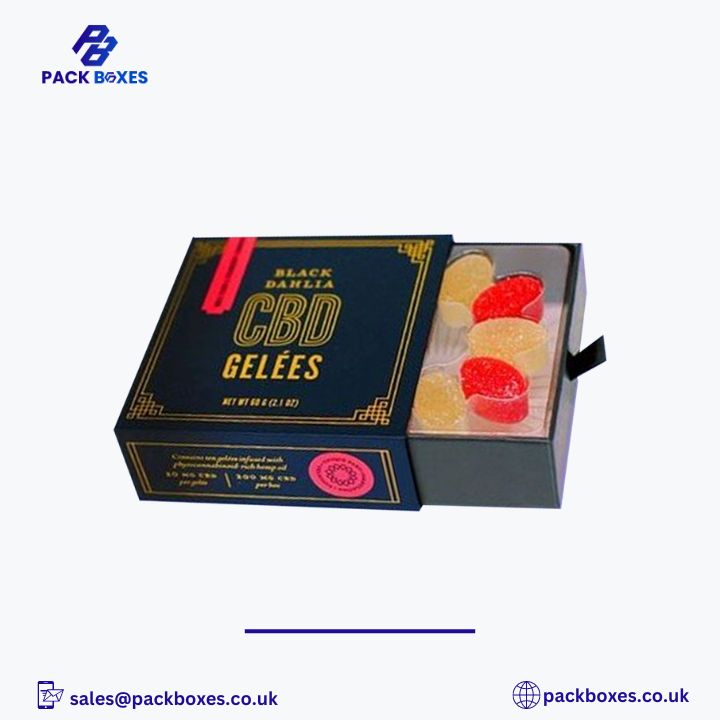
Folding cartons use single-layer paperboard, similar to the material found in cereal boxes. Therefore, they offer excellent printability and a highly premium finish. These cartons fold flat, saving massive amounts of warehouse space before use. Retailers love folding cartons because they display beautifully on shelves. They are lightweight and cost-effective for standard retail packaging.
However, folding cartons lack structural strength. They crush easily if shipped individually without an outer box. Consequently, they suit products that sit directly on retail shelves. If your product goes straight to a store display, a folding carton presents your branding perfectly. Furthermore, they support complex die-cut windows and intricate, high-resolution graphics.
The Strength of Corrugated Boxes
Corrugated boxes feature multiple layers of paper with a wavy fluted layer in the middle. This architectural design creates immense structural strength. Therefore, corrugated boxes handle the rigors of daily e-commerce shipping. They stack securely and resist crushing during transit. You need corrugated packaging if you ship products directly to consumers via courier.
Moreover, top corrugated packaging manufacturers offer various flute grades for different product weights. A heavy-duty double-wall corrugated box protects fragile or heavy items safely. Meanwhile, a thin E-flute corrugated box offers a smooth surface for high-quality printing. This makes corrugated boxes versatile for both rugged shipping and premium retail displays. Sourcing the right custom packaging UK ensures you get the exact flute grade your products require.
Key Differences in Material and Structure
The core difference lies in the fluting process. Folding cartons use solid, single-layer paperboard. Corrugated boxes use a fluted layer sandwiched between flat liners. Consequently, corrugated boxes weigh more and cost more to produce. However, they provide vital cushioning for fragile goods. Folding cartons provide zero cushioning. They act purely as a visual container.
Furthermore, the manufacturing process differs significantly. Folding cartons run on high-speed, automated printing presses. Corrugated boxes often require specialized flexographic printers. Therefore, finding corrugated packaging manufacturers with high-quality digital printing capabilities is slightly harder. If you need vibrant, photographic images on a shipping box, you must use lithographic lamination or direct-to-board digital printing.
Printing Options for Both Formats
Branding is vital for creating memorable unboxing experiences. Folding cartons excel in printing quality. They use offset printing to deliver crisp, high-resolution images. This method suits cosmetic, pharmaceutical, and retail packaging perfectly. Conversely, corrugated boxes historically offered lower print quality due to their textured surface. However, modern technology bridges this gap significantly.
Today, leading corrugated packaging manufacturers offer digital printing directly onto the board. Furthermore, they use lithographic lamination to apply high-quality printed paper onto the corrugated surface. This technique delivers stunning graphics while maintaining structural strength. Consequently, you no longer have to sacrifice visual appeal for durability. You can achieve both with expert custom packaging UK solutions.
When to Use Folding Cartons
Choose folding cartons for shelf-ready retail products. Cosmetics, over-the-counter medicines, and dry foods rely heavily on folding cartons. They provide a smooth, printable surface that elevates brand perception. Additionally, folding cartons minimize warehouse storage space because they arrive flat. They reduce shipping costs if you ship them to a co-packer for filling.
Folding cartons also work exceptionally well inside a larger shipping box. You place your product in a folding carton for presentation. Subsequently, you place that carton inside a plain corrugated shipper. This dual approach combines visual appeal with transit protection. However, you pay for two boxes, which increases your overall material costs.
When to Use Corrugated Packaging
Select corrugated boxes for shipping and heavy-duty protection. E-commerce brands depend on corrugated mailer boxes. These boxes double as the shipping container and the unboxing experience. Modern corrugated packaging manufacturers design custom printed mailers that eliminate the need for secondary outer boxes.
Furthermore, use corrugated boxes for heavy items like appliances or glassware. The fluted structure absorbs shock better than single-layer board. Additionally, corrugated boxes hold their shape when stacked on pallets. If your supply chain involves palletizing and warehousing, corrugated provides the necessary structural integrity.
Sustainability Profiles of Each Box Type
Environmental impact shapes modern buying decisions. Both box types offer recyclable options. Folding cartons use less raw material overall because they are thinner. Consequently, they often have a lower carbon footprint per unit. However, their single-use nature means they enter the recycling stream quickly.
Corrugated boxes often contain a high percentage of recycled content. They are also highly recyclable at the end of their life. Many corrugated packaging manufacturers now use water-based inks and sustainable adhesives to improve recyclability. When sourcing custom packaging UK, ask your supplier about FSC certification. This guarantees responsible forest management for both formats.
Lead Times and Supply Chain Impacts
Time is money in manufacturing. Folding cartons generally have shorter lead times. Automated high-speed presses produce them rapidly. Consequently, you can restock quickly if demand spikes. This speed makes folding cartons ideal for fast-moving consumer goods.
Conversely, corrugated boxes may require slightly longer lead times, especially for complex custom designs. However, top-tier corrugated packaging manufacturers maintain efficient production lines. They stock massive rolls of raw paper to ensure steady output. Furthermore, they provide accurate delivery estimates. Ultimately, reliable lead times protect your supply chain and prevent stockouts.
Making the Final Decision
Your supply chain dictates your choice. Do you sell in retail stores or online? Retailers prioritize shelf presence, favoring folding cartons. E-commerce brands prioritize transit safety, favoring corrugated mailers. Consider your budget and storage space. Corrugated costs more but provides dual protection.
Furthermore, consult with manufacturing experts early. They help you prototype and test both formats. At PackBoxes UK, we guide you through this decision. We design stunning folding cartons and highly protective corrugated boxes. Our team evaluates your product weight and shipping methods. Contact us today to determine the perfect box construction for your business.
Frequently Asked Questions
- What is the difference between corrugated and folding cartons?
Folding cartons use single-layer paperboard for retail display. Corrugated boxes use a fluted inner layer for strength and shipping protection. - Which box type is better for e-commerce shipping?
Corrugated boxes are essential for e-commerce. They resist crushing during transit and protect products from drops and stacking damage. - Are folding cartons cheaper than corrugated boxes?
Generally, folding cartons cost less per unit. They use less material and print faster. However, they require an outer shipping box for e-commerce. - What are corrugated packaging manufacturers?
These are factories that specialize in producing multi-layer fluted boxes. They engineer boxes for strength, shipping efficiency, and customized printing. - Can I print high-quality graphics on corrugated boxes?
Yes. Modern corrugated packaging manufacturers use digital printing or lithographic lamination to achieve high-resolution graphics on shipping boxes. - Do folding cartons protect fragile items?
No. Folding cartons offer minimal protection. You must use internal inserts like molded pulp or foam to protect fragile items inside a folding carton. - Which is better for food packaging?
It depends. Dry foods use folding cartons. Fresh produce often requires corrugated boxes because they offer better ventilation and stacking strength. - Can corrugated boxes be recycled?
Yes. Both corrugated boxes and folding cartons are highly recyclable. However, corrugated boxes with heavy wax coatings are harder to recycle. - What is an E-flute corrugated box?
E-flute is a very thin corrugated board. It provides a smooth printing surface and light strength, making it ideal for premium retail packaging and mailers. - How does PackBoxes UK help with box selection?
PackBoxes UK analyzes your product fragility, weight, and retail channel. We prototype designs to ensure your packaging survives transit and impresses customers.