Key takeaways
- Skincare packaging must protect the formula first, then express the brand and carry the required label information.
- Airless pumps, tinted glass and sealed cartons protect sensitive ingredients and signal quality.
- Clean layouts, honest claims and tactile finishes build trust faster than loud design.
- Choose recyclable materials and test every pack before you scale production.
A shopper picks up a serum, turns it over and reads the box. In that short moment, the pack answers three questions: Is this safe, is this good and is this for me? Skincare packaging carries that whole conversation, because the customer cannot test the formula until after they buy.
Strong skincare packaging does more than look attractive. It keeps active ingredients stable, shows the product’s promise at a glance and supports the price. This guide covers materials, structure, design choices, compliance and sustainability, with practical skincare packaging ideas you can apply to a first launch or a range refresh.
Why Skincare Packaging Matters More Than You Expect
Skin care sits close to health in the customer’s mind. People apply these products to their face every day, so they look for signs of care, cleanliness and credibility. Messy print, loose lids or a thin carton raise doubt before the cream touches skin. Careful skincare packaging removes that doubt.
Skincare packaging also protects the formula. Light, air and bacteria degrade vitamin C, retinol and many plant extracts. A clear jar of vitamin C serum can lose strength far sooner than the same formula in an opaque airless pump. The right pack extends useful life and reduces complaints. Retailers and marketplaces also inspect the pack, because leaks and damaged cartons lead to returns.
Finally, skincare packaging drives shelf appeal. Beauty aisles and online marketplaces are crowded, and shoppers scan fast. A distinct colour, a recognisable shape and a clean front panel help your product earn a second look.
Choosing Materials for Skincare Packaging
Each material suits different formulas, so match your skincare packaging to the product.
Glass feels premium, resists chemical reaction and recycles well. Amber, blue and green tints block light, which protects sensitive serums and oils. Glass weighs more and breaks, so it needs a solid carton or insert.
Plastic (PET, HDPE and PP) is light, cheap and shatter-resistant. It suits lotions, cleansers and travel sizes. Recycled PET and HDPE improve the environmental profile.
Aluminium tubes and bottles block light and air, and they recycle at a high rate. They suit balms, creams and sunscreens.
Airless pump bottles push the formula out without letting air in. They protect actives, limit contamination and let customers use nearly all the product.
For skincare packaging, ask your formulator about compatibility. Some essential oils, acids and preservatives react with certain plastics, so run stability tests before you commit.
Primary Packaging Ideas by Product Type
Different products need different formats. Use these skincare packaging ideas as a starting point.
- Serums: Amber glass dropper bottles or airless pumps, 15 to 30 ml, protect light-sensitive actives.
- Moisturisers: Frosted glass jars with a clean lid suit rich creams, while airless pumps suit lighter lotions and reduce finger contact.
- Cleansers: Tall plastic bottles with a flip-top or pump let customers use one hand in the shower.
- Eye creams: Small tubes with a precision tip or a metal applicator feel hygienic and refined.
- Sunscreens: Squeeze tubes with a secure cap make daily use simple.
- Face oils: Dark glass with a pipette gives accurate dosing and light protection.
- Masks and treatments: Wide-mouth jars or sachets in a printed carton suit weekly use.
Whichever format you choose for your skincare packaging, keep the cap tight and the opening clean. A leaking pump or sticky thread damages trust faster than any marketing message can repair.
Outer Cartons: The Part Customers See First
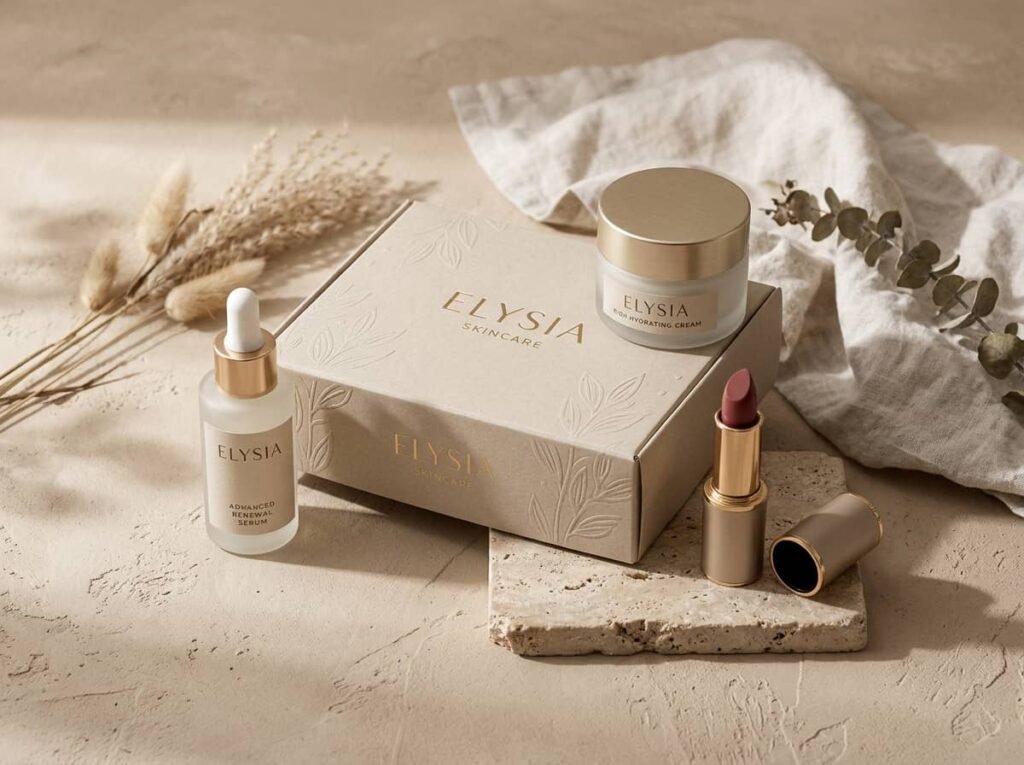
On the shelf, the carton of your skincare packaging sells the product. It frames the bottle or jar, displays the brand and carries most of the information. Good skincare packaging treats the carton as a design surface, not an afterthought.
Folding cartons in SBS or kraft board suit most ranges. They print sharp colour, fold flat for storage and cost little in volume. Rigid boxes suit gift sets, anti-ageing launches and high-priced serums, because the weight signals quality.
Add a tamper-evident feature to your skincare packaging, such as a perforated tab or a seal sticker. Customers often look for it on skincare, where hygiene matters.
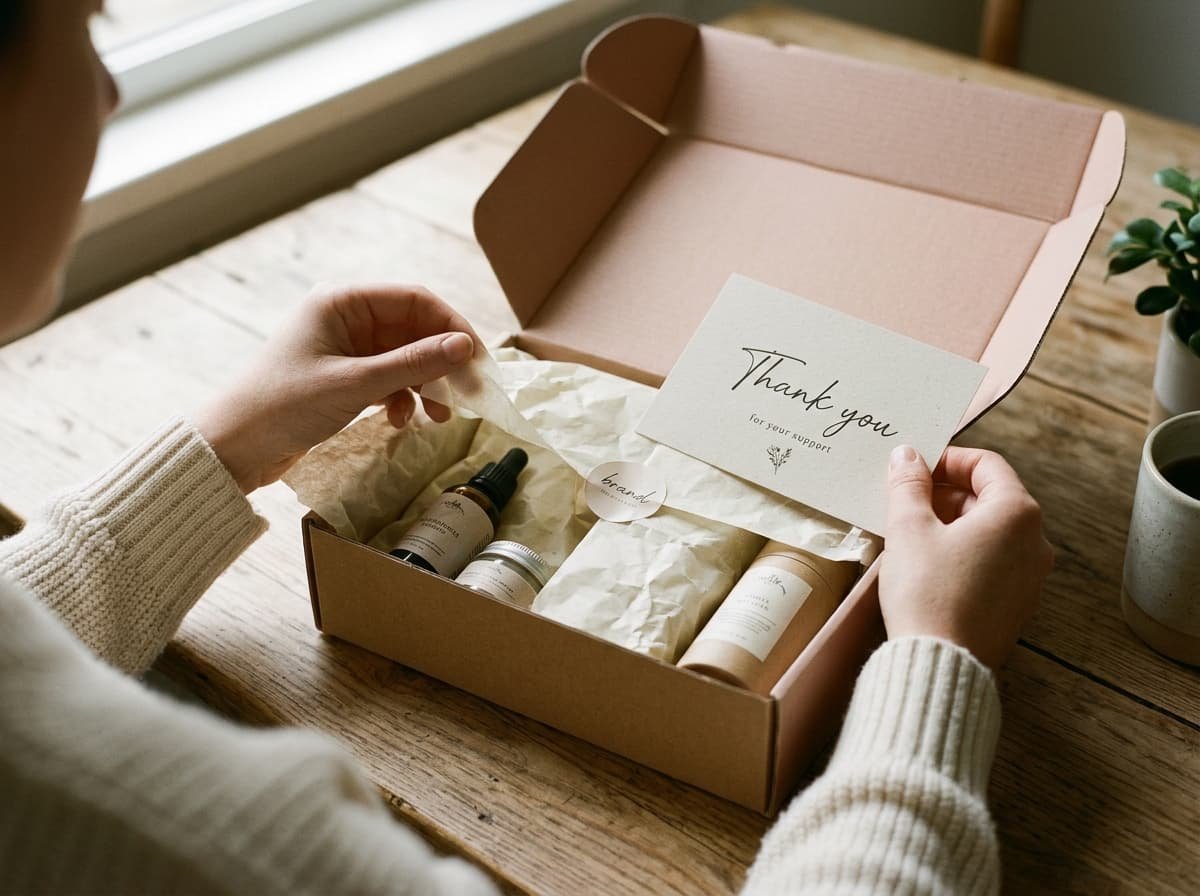
Think about the unboxing as well. A tissue wrap, a printed insert or a short usage guide inside the lid makes the product feel considered. A thoughtful unboxing turns skincare packaging into a reason to reorder. Online brands benefit most, because the box is the first physical contact with the customer.
Design Choices That Build Trust
Trust comes from clarity. Strong skincare packaging design follows a few simple rules.
Keep a clear hierarchy. Put the brand name and product name on the front. Place the key benefit beneath them in smaller type. Move supporting detail to the sides and back.
Choose colour with purpose. Soft greens and neutrals suggest natural care. Clean whites and pale blues suggest clinical results. Warm earth tones suggest comfort and botanicals. Pick a palette that matches the formula and the audience.
Use readable typography. Thin, tiny type looks elegant on screen and fails on shelf. Choose one display typeface and one plain text typeface, and keep ingredient text legible.
Show restraint. Space around the logo gives it weight. Crowded layouts suggest low confidence.
Stay honest. Claims such as “dermatologist tested” or “suitable for sensitive skin” need evidence. Customers and regulators both notice unsupported claims.
Finishes That Add Perceived Value
Finishes shape how a pack feels in the hand, and touch strongly influences perceived quality. Popular options for skincare packaging include:
- Soft-touch lamination for a smooth, velvet feel
- Matt varnish for a calm, modern look
- Foil stamping in gold, silver or copper on the logo
- Embossing to raise the brand mark or a botanical pattern
- Spot UV to add contrast between gloss and matt areas
- Uncoated kraft for a natural, tactile look
Limit yourself to one or two effects. A matt sage carton with a single foil logo reads as confident, while five finishes together can look busy. Order a printed sample, because foil and colour appear different under shop lighting.
UK Labelling and Compliance for Skincare Packaging
In Great Britain, skincare falls under the UK Cosmetics Regulation. Your pack must carry specific information, and your Responsible Person should approve it. Typical requirements include:
- The name and address of the Responsible Person
- The nominal content by weight or volume
- The period after opening symbol or the minimum durability date
- The batch number
- The product function, unless it is obvious from the presentation
- The full ingredients list using INCI names
- Any necessary warnings and usage precautions
Plan the layout for this text early on your skincare packaging. Small bottles often cannot hold all of it, so many brands print the full detail on the outer carton and keep the container cleaner. Leave enough space for readable type.
Be careful with claims. A cosmetic cannot claim to treat or cure a medical condition. Keep wording to the benefits you can support and ask your regulatory adviser to review the final skincare packaging copy before print.
Sustainable Skincare Packaging Ideas
Many customers check skincare packaging recyclability before they buy. Practical steps include:
- Use mono-material packs. A pack made from one material recycles more easily.
- Choose FSC-certified or recycled board for cartons.
- Print with water-based inks.
- Offer refills. Refillable jars and pouches reduce waste and bring customers back.
- Cut the size. Smaller cartons use less board and cost less to post.
- Print disposal guidance on the pack, such as “remove the pump before recycling”.
Avoid vague phrases such as “eco-friendly”. State what the pack does, for example “carton made from 100% recycled board”. Clear facts build more trust than broad slogans.
Be aware that heavy plastic lamination, foil and mixed materials can limit recycling. If sustainability is central to your brand, ask your supplier for recyclable coatings and test the final skincare packaging against local recycling guidance.
Testing Skincare Packaging Before You Launch
Test every skincare packaging component against real use. Four checks catch most problems:
- Stability testing. Store the formula in the final container under heat, light and time conditions that mimic shelf life.
- Compatibility testing. Confirm that the formula does not react with the container, liner or pump.
- Transit testing. Drop and shake filled cartons, then ship a few through your courier.
- User testing. Ask real customers to open, use and close the pack. Watch where they struggle.
Fix problems before the first production run. A re-run of cartons or a recall of leaking bottles costs far more than a few weeks of testing.
How to Plan Your Skincare Packaging Project
Follow a simple sequence to keep your skincare packaging project on track:
- Define the product, price and audience.
- Select the primary container and confirm compatibility.
- Set the carton style and board to suit the container.
- Brief a designer with dimensions, brand notes and the compliance text.
- Request samples and review them in store and home lighting.
- Approve production and plan delivery before your launch date.
Allow several weeks for sampling and production, and longer for imported containers or complex finishes. Order a modest first run and reorder once sales confirm demand.
Conclusion
Good skincare packaging protects the formula, tells the truth about the product and gives customers a reason to trust the brand. Start with the right container for your ingredients, wrap it in a clear, well-made carton and choose finishes that support your message. Check labelling with a qualified adviser, test every pack, and pick materials that your customers can recycle.
Treat skincare packaging as part of the product, not a wrapper around it. When the pack feels as careful as the formula, shoppers notice, and they come back.
Frequently Asked Questions About Skincare Packaging
1. What is skincare packaging?
Skincare packaging is the container, carton and labelling that hold, protect and present a skincare product. It includes bottles, jars, tubes, pumps, outer boxes and printed information. Its jobs are to protect the formula, show the brand and carry legal label details.
2. What is the best packaging for serums?
Amber or other tinted glass dropper bottles and airless pumps suit serums best. They block light and limit air contact, which protects active ingredients such as vitamin C and retinol. Choose the format that suits the viscosity of the formula.
3. Why do skincare brands use airless pumps?
Airless pumps push the formula out without letting air back in. This limits oxidation and contamination, extends useful life and delivers nearly all of the product. They suit creams, serums and lotions that contain sensitive ingredients.
4. Is glass or plastic better for skincare packaging?
Neither wins in every case. Glass feels premium, blocks reactions and recycles well, but it weighs more and breaks. Plastic is light and shatter-resistant, so it suits cleansers and travel sizes. Choose by formula, price point and customer use.
5. What information must appear on skincare packaging in the UK?
UK skincare labels generally need the Responsible Person’s name and address, nominal content, period after opening or minimum durability date, batch number, ingredients list and relevant warnings. Confirm exact requirements with your Responsible Person before print.
6. How can skincare packaging build customer trust?
Clear layouts, readable ingredient text, tamper-evident seals, sturdy materials and honest claims build trust. Customers read these signals as proof of care. Avoid unsupported claims and keep the print quality consistent across the whole range.
7. How do I make skincare packaging more sustainable?
Use mono-material containers, FSC-certified or recycled board and water-based inks. Offer refills, reduce pack size and print clear disposal guidance. Make specific, provable claims rather than general phrases such as “eco-friendly”.
8. What finishes work best on skincare cartons?
Soft-touch lamination with foil on the logo is a popular premium pairing, and uncoated kraft suits natural brands. Limit the design to one or two effects, and check a printed sample in shop lighting before production.
9. How much does skincare packaging cost?
Costs depend on container type, carton style, quantity and finishes. Printed folding cartons often cost about £0.25 to £0.90 each at 1,000 units, while rigid boxes cost more. Glass bottles, pumps and inserts add to the total, so request an all-in quote.
10. How do I test skincare packaging before launch?
Run stability tests under heat and light, check formula compatibility with the container, drop-test and courier-test filled cartons, and observe real customers opening and closing the pack. Fix problems before the first full production run.