(A Complete 2500-Word Guide for Brands & Skincare Businesses)
Product labeling plays a major role in brand trust, customer safety, and legal compliance—especially in the United Kingdom, where regulations are very clear and strictly enforced. Whether you are selling skincare, cosmetics, food items, supplements, or retail products, understanding UK product labeling laws is essential. Brands that ignore these rules risk fines, legal action, damaged reputation, and product recalls.
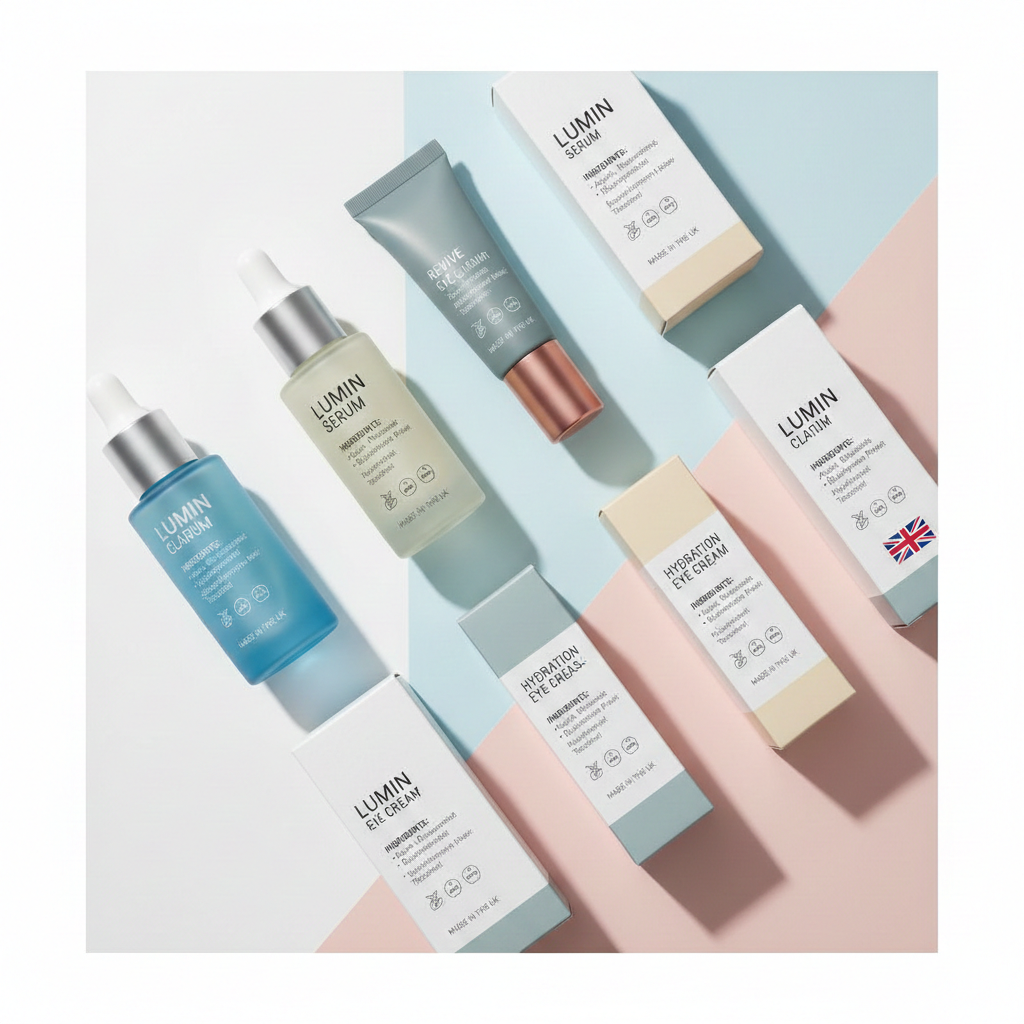
In the skincare industry, packaging is more than just a box—it is a compliance document. That is why businesses investing in Custom Printed Skincare Packaging in UK must ensure that every label follows UK legislation, including the retained EU Regulation, the UK Cosmetics Regulation, and Consumer Protection Laws.
This detailed guide explains everything you need to know about UK labeling rules, mandatory information, packaging requirements, compliance tips, and best practices for skincare brands. Whether you are a startup or a large cosmetics manufacturer, this article will protect your business and help you build customer trust through accurate product labeling.
Why Product Labeling Matters in the UK
Product labeling has three primary purposes:
1. Consumer Safety
UK law requires brands to provide all essential information that protects customers, including allergens, ingredients, usage instructions, and warnings.
2. Transparency
Clear labeling builds customer trust. In an industry as sensitive as skincare, people want to know exactly what they are applying to their skin.
3. Legal Compliance
Failure to comply can result in:
- Legal penalties
- Seizure of goods
- Marketplace suspension
- Fines from Trading Standards
- Damage to brand reputation
This is why getting packaging right—especially for skincare—is non-negotiable.
Skincare brands using high-quality packaging solutions such as Custom Printed Skincare Packaging in UK must ensure that their product information is accurate, clear, and placed correctly according to regulations.
Key UK Regulations That Control Product Labeling
Several UK laws and regulatory bodies oversee product labeling:
1. UK Cosmetics Regulation (Schedule 34 of The Product Safety and Metrology Regulations 2019)
This is the main law for beauty and skincare products.
2. Retained EU Cosmetic Regulation (EC) No 1223/2009
Still applies post-Brexit for consistency.
3. Consumer Rights Act 2015
Ensures fairness and prevents misleading labels.
4. Trading Standards
Enforces labeling rules at a local level.
5. UK REACH (Registration, Evaluation, Authorisation, and Restriction of Chemicals)
Regulates chemical safety in skincare products.
6. UK Packaging and Waste Regulations
Controls recycling symbols, packaging materials, and environmental labeling.
If your products are packaged using Custom Printed Skincare Packaging in UK, these regulations help ensure your packaging meets the legal standards required for retail or online sale.
Mandatory Labeling Requirements for Skincare Products in the UK
Below is a complete list of what your skincare product label MUST include:
1. Name and Function of the Product
Consumers must easily understand:
- What the product is
- What it is used for
Example:
“Moisturizing Face Cream – Hydrates and Nourishes Skin”
2. Net Quantity
You must display the weight or volume:
- Grams (g)
- Milliliters (ml)
Example:
“50ml” or “120g”
3. Ingredients List (INCI Format)
Ingredients must be listed:
- Using INCI names
- In descending order of weight
- Highlighting allergens
- Including nano-materials (must be labeled “(nano)”)
Example:
“Water (Aqua), Glycerin, Sodium Hyaluronate, Citral*”
*Allergen
4. Use-By Date / PAO Symbol
Two options:
- Best Before Date (for products with less than 30 months shelf life)
- PAO symbol (Period After Opening)
The PAO symbol shows how long a product lasts after opening, e.g., “12M”.
5. Warnings & Precautions
Certain skincare products require warnings such as:
- “Avoid contact with eyes”
- “For external use only”
- “Patch test before use”
- “Not suitable for children under 3”
6. Batch Number
Important for:
- Tracking
- Recalls
- Quality control
Must be visible and not easily removable.
7. Manufacturer or Responsible Person Details
You must print the Responsible Person’s:
- Name
- Address
- Country
If selling imported goods, the UK Responsible Person must be listed.
8. Country of Origin
Needed particularly post-Brexit for imports.
9. Instructions for Use
If the product’s usage is not obvious, instructions must be clearly written.
Example:
“Apply a small amount to clean skin twice daily.”
10. Environmental & Recycling Labels
Include:
- Recycle icons
- Material codes
- Disposal instructions
Eco-friendly labeling is increasingly important for brands using sustainable packaging solutions in the UK market.
Rules for Label Design & Display in the UK
Labeling is not just about content—it must also meet design standards.
1. Legibility
The text must be:
- Easy to read
- Strong contrast
- Minimum font size (x-height of at least 0.9mm)
2. Permanent Labeling
The information must:
- Not fade
- Not peel
- Not wash off
This is critical for skincare products stored in bathrooms or humid environments.
3. English Language Requirement
Labels must include English, even if multilingual.
4. Packaging Surface Requirements
Important details must be on:
- Outer packaging
- OR, direct container if no outer box exists
For brands using high-quality printed packaging, such as Custom Printed Skincare Packaging in UK, this ensures professional presentation AND compliance.
Additional Labeling Requirements for Specific Skincare Types
Certain product categories require extra labeling:
1. Sunscreens
Must include:
- UVA logo
- SPF rating
- Usage instructions
2. Products Containing Acids (AHA, BHA)
Must display warnings such as:
“May increase skin sensitivity to sunlight.”
3. Essential Oils
Require allergen labeling and dilution instructions.
4. Hair Dyes
Must include mandatory allergy test instructions.
5. Products with CBD / Hemp
Must follow:
- UK Home Office rules
- Food & beauty labeling standards
- THC limits
Common Labeling Mistakes Brands Must Avoid
Here are mistakes that can cost you legally or damage customer trust:
1. Misleading Claims
Avoid unproven statements like:
- “Clinically proven”
- “100% organic”
- “Anti-aging guaranteed”
Unless you have scientific evidence.
2. Missing Mandatory Details
Such as:
- Batch numbers
- Ingredient lists
- Warning labels
3. Incorrect Fonts & Illegible Text
Small print can lead to non-compliance notices.
4. Not Updating Labels Post-Brexit
This includes revising addresses and Responsible Person details.
5. Incorrect ingredient order
UK law requires descending weight order.
How Packaging Design Influences Legal Compliance
Good labeling depends heavily on good packaging.
Brands choosing premium packaging such as Custom Printed Skincare Packaging in UK benefit from:
- Extra space for labeling
- Custom layout for compliance
- Professional print quality
- Better brand image
- Easy placement of icons, warnings & ingredient lists
Packaging is not just about aesthetics—it ensures compliance, safety, and trust.
Best Practices for UK Product Labeling
To stay compliant and maintain professionalism:
- Use larger fonts for readability
- Include QR codes for digital instructions
- Add tamper-evident seals
- Highlight allergens clearly
- Use waterproof labels for bathroom products
- Keep a digital backup of your ingredient lists
- Use icons for simplified communication
These practices help protect both your brand and customers.
10 Frequently Asked Questions (FAQs)
1. Do all skincare products need ingredient lists in the UK?
Yes. Every cosmetic or skincare product must list ingredients using INCI format.
2. Can I sell skincare products in the UK without outer packaging?
Yes, but all mandatory information must be printed directly on the container.
3. Is it necessary to include the PAO symbol on skincare labels?
Yes, if your product has a shelf life longer than 30 months.
4. What happens if a product label is misleading?
Trading Standards can impose fines, remove products from sale, or take legal action.
5. Are allergens mandatory on skincare labels?
Yes. Known allergens must be highlighted according to UK Cosmetics Regulation.
6. Can I print labels in multiple languages?
Yes, but English must be included for UK sales.
7. Do imported skincare products need a Responsible Person in the UK?
Yes. Products cannot legally be sold without listing a UK Responsible Person.
8. What is the minimum font size for labels?
The x-height must be at least 0.9mm for legibility.
9. Do I need to include recycling information?
Yes, under UK Packaging Waste Regulations.
10. Is the batch number important?
Absolutely. It is essential for traceability and mandatory for all cosmetic products.
Conclusion
UK product labeling rules are strict but essential for safety, transparency, and trust. Whether you’re a skincare startup or an established brand, following UK labeling laws helps you avoid penalties and build a strong, credible brand.
For brands investing in quality packaging solutions like Custom Printed Skincare Packaging in UK, accurate labeling ensures compliance, boosts brand reputation, and protects customers.
Clear, correct, and legally compliant labeling is more than a requirement—it’s a powerful brand asset.