
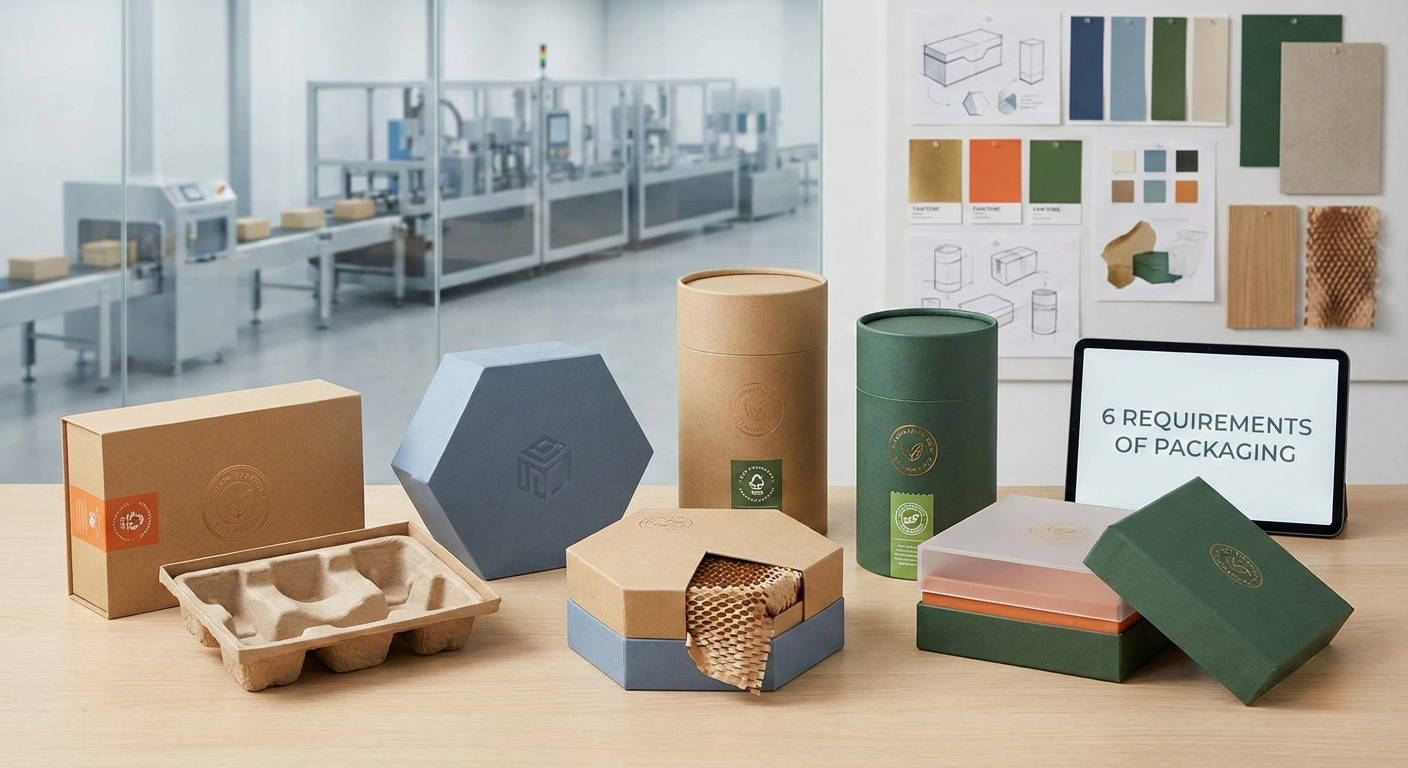
Packaging is far more than a protective outer layer—it is a critical component of branding, logistics, sustainability, and customer experience. In today’s competitive UK market, businesses that invest in smart, compliant, and strategic packaging gain a clear edge over those that don’t. Whether you sell cosmetics, food, electronics, or retail products, understanding the core requirements of packaging is essential for success.
In this in-depth guide by Pack Boxes, we will explore the six fundamental requirements of packaging, why they matter, how they apply across industries in the UK, and how businesses can meet them effectively. This article is designed to help brands, manufacturers, and retailers make informed packaging decisions that align with modern consumer expectations and regulatory standards.
Understanding the Purpose of Packaging
Before diving into the six requirements, it’s important to understand why packaging exists in the first place. Packaging serves multiple roles simultaneously:
- Protecting the product
- Communicating brand identity
- Providing essential information
- Supporting transportation and storage
- Enhancing customer experience
- Meeting legal and environmental standards
If any one of these functions fails, the packaging itself becomes a liability rather than an asset.
The 6 Core Requirements of Packaging
1. Protection and Safety
The primary requirement of packaging is protection. Packaging must safeguard products from physical damage, contamination, moisture, light, and temperature variations throughout the supply chain.
Why Protection Matters
In the UK, products often travel long distances—from manufacturing facilities to warehouses, retail outlets, and finally to consumers. Poor packaging can result in:
- Damaged goods
- Increased returns
- Negative reviews
- Financial losses
Key Protective Features
- Durable materials (corrugated cardboard, rigid boxes)
- Cushioning inserts (foam, paper padding)
- Tamper-evident seals
- Moisture and UV resistance where required
Effective protective packaging ensures products arrive in perfect condition, maintaining brand reputation and customer trust.
2. Functionality and Convenience
Packaging must be functional—easy to open, close, store, and use. Consumers in the UK increasingly value convenience, especially in e-commerce and retail environments.
Functional Packaging Includes:
- Easy-open tear strips
- Resealable closures
- Stackable designs
- Lightweight structures
Poorly designed packaging frustrates customers and can even lead to product damage during opening.
Business Benefits
- Reduced customer complaints
- Enhanced user experience
- Increased repeat purchases
Functionality bridges the gap between design and usability, making it a vital requirement.
3. Branding and Visual Appeal
Packaging is often the first physical interaction a customer has with your brand. As such, it must visually communicate quality, trust, and identity.
Importance of Visual Design
In competitive UK retail spaces, consumers make purchase decisions within seconds. Packaging design influences:
- Brand recognition
- Perceived value
- Emotional connection
Branding Elements to Include
- Logo placement
- Brand colours and typography
- Consistent messaging
- Premium finishes (embossing, foil stamping, matte lamination)
This is where working with experienced Custom Packaging Manufacturers in UK becomes essential, as they understand both branding trends and local market preferences.
4. Compliance with UK Regulations
Packaging in the UK must comply with strict legal and regulatory requirements. Non-compliance can result in fines, product recalls, or market bans.
Common UK Packaging Regulations
- UK Packaging Waste Regulations
- Food contact material standards
- Labelling laws (ingredients, safety warnings, recycling symbols)
- CE and UKCA marking where applicable
Why Compliance Is Critical
- Protects consumer health and safety
- Builds brand credibility
- Avoids legal penalties
Businesses must ensure that materials, inks, adhesives, and printed information meet all applicable UK standards.
5. Sustainability and Environmental Responsibility
Sustainability is no longer optional—it’s a core packaging requirement in the UK. Consumers, retailers, and regulators increasingly demand eco-friendly packaging solutions.
Sustainable Packaging Practices
- Recyclable and biodegradable materials
- Reduced material usage
- FSC-certified paper and cardboard
- Plastic-free alternatives
Benefits of Sustainable Packaging
- Improved brand image
- Compliance with environmental laws
- Appeal to eco-conscious consumers
- Reduced carbon footprint
At Pack Boxes, sustainability is integrated into every packaging solution to help UK brands meet environmental goals without compromising quality.
6. Cost-Effectiveness and Efficiency
While quality is essential, packaging must also be cost-effective. Businesses need packaging solutions that balance performance, aesthetics, and budget.
Cost Factors to Consider
- Material selection
- Printing techniques
- Storage and shipping costs
- Assembly and labour efficiency
Smart Cost Optimisation
- Lightweight materials to reduce shipping costs
- Flat-pack designs for efficient storage
- Bulk manufacturing for economies of scale
Efficient packaging supports profitability while maintaining product integrity and brand appeal.
How These Requirements Work Together
The six requirements of packaging are interconnected, not isolated. A well-designed package protects the product, enhances branding, complies with regulations, supports sustainability, and remains cost-effective—all at the same time.
Ignoring even one requirement can undermine the entire packaging strategy.
Why UK Businesses Need a Strategic Packaging Partner
The UK packaging market is highly competitive and heavily regulated. Businesses benefit greatly from partnering with packaging experts who understand:
- UK consumer behaviour
- Regulatory compliance
- Sustainable material sourcing
- Advanced printing and finishing techniques
Pack Boxes provides tailored solutions that align with all six packaging requirements, helping brands scale confidently and professionally.
Common Packaging Mistakes to Avoid
- Over-packaging that increases costs and waste
- Weak materials that compromise protection
- Poor labelling that violates regulations
- Ignoring sustainability expectations
- Inconsistent branding across product lines
Avoiding these mistakes starts with understanding the core requirements discussed above.
The Future of Packaging in the UK
Packaging trends are rapidly evolving, with increased focus on:
- Minimalist designs
- Smart packaging (QR codes, traceability)
- Compostable materials
- Customised unboxing experiences
Brands that align with these trends while meeting the six fundamental requirements will lead the market.
Frequently Asked Questions (FAQs)
1. What is the most important requirement of packaging?
Protection is the most critical requirement, as packaging must prevent damage and contamination throughout transportation and storage.
2. Why is packaging compliance important in the UK?
UK compliance ensures consumer safety, legal approval, and market access while preventing fines and recalls.
3. How does packaging affect brand image?
Packaging shapes first impressions, communicates brand values, and influences perceived product quality.
4. What materials are best for sustainable packaging?
Recyclable cardboard, kraft paper, biodegradable materials, and FSC-certified paper are popular sustainable options in the UK.
5. Can functional packaging increase sales?
Yes, user-friendly packaging improves customer experience, leading to higher satisfaction and repeat purchases.
6. Is custom packaging more expensive?
Not necessarily. Custom packaging can be cost-effective when optimised for materials, size, and production volume.
7. What role does packaging play in e-commerce?
Packaging protects products during shipping, enhances unboxing experience, and reduces returns.
8. How often should packaging designs be updated?
Brands should review packaging every 2–3 years or when regulations, branding, or market trends change.
9. Does packaging impact environmental responsibility?
Yes, packaging choices directly affect waste levels, recyclability, and carbon footprint.
10. Why choose a UK-based packaging company?
UK-based providers understand local regulations, market trends, and can offer faster turnaround and better compliance.
Final Thoughts
Understanding and implementing the six requirements of packaging is essential for any business operating in the UK. From protection and functionality to sustainability and branding, each requirement plays a crucial role in product success.
With expert guidance and high-quality solutions from Pack Boxes, UK businesses can confidently meet these requirements while standing out in a competitive market.