Custom shipping boxes and standard mailers both get products from your warehouse to a customer, yet they protect, present and cost differently. Many online sellers start with plain mailers because they are cheap and easy to find. As order values rise and customers expect a better unboxing, the question changes. This guide compares both options on protection, branding, cost, storage and courier rules, so you can decide which pack fits each product. You will also see when a mix of both makes the most sense for a growing store.
What Are Standard Mailers?
Standard mailers are ready made packs sold in common sizes. The two main types are poly mailers and padded envelopes. A poly mailer is a thin plastic bag with a peel and seal strip. A padded envelope has a paper outer layer and a bubble or paper lining inside. Both weigh very little and ship flat. Compared with custom shipping boxes, standard mailers trade protection for a low price.
Sellers choose them for soft goods such as T shirts, scarves, socks and paperback books. They suit items that do not break, crush or bend. They also cost less per unit than a printed box, and you can order a few hundred without a design process.
The trade offs are clear. Plastic mailers offer almost no crush protection. A padded envelope helps with small knocks but not with weight on top of the parcel. Plain mailers also say little about your brand, because the outside looks the same as every other seller’s pack.
What Are Custom Shipping Boxes?
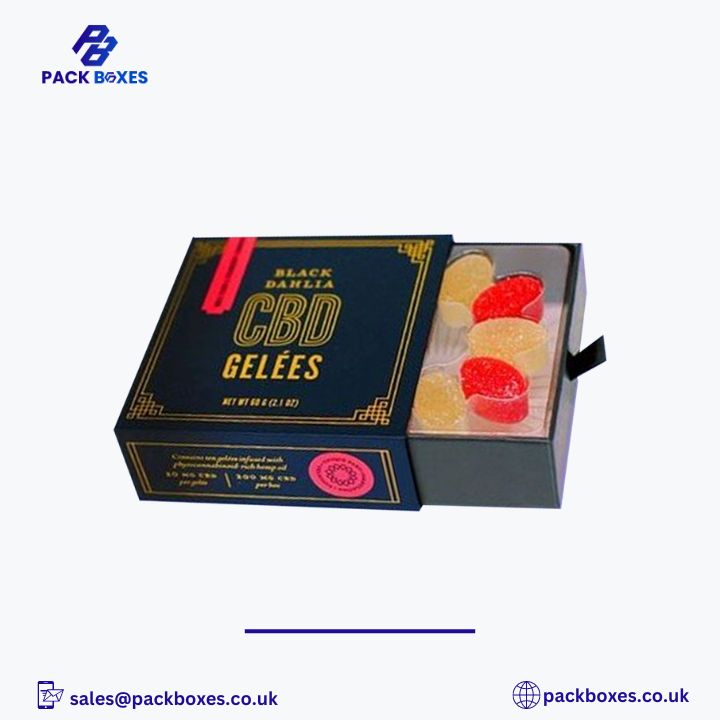
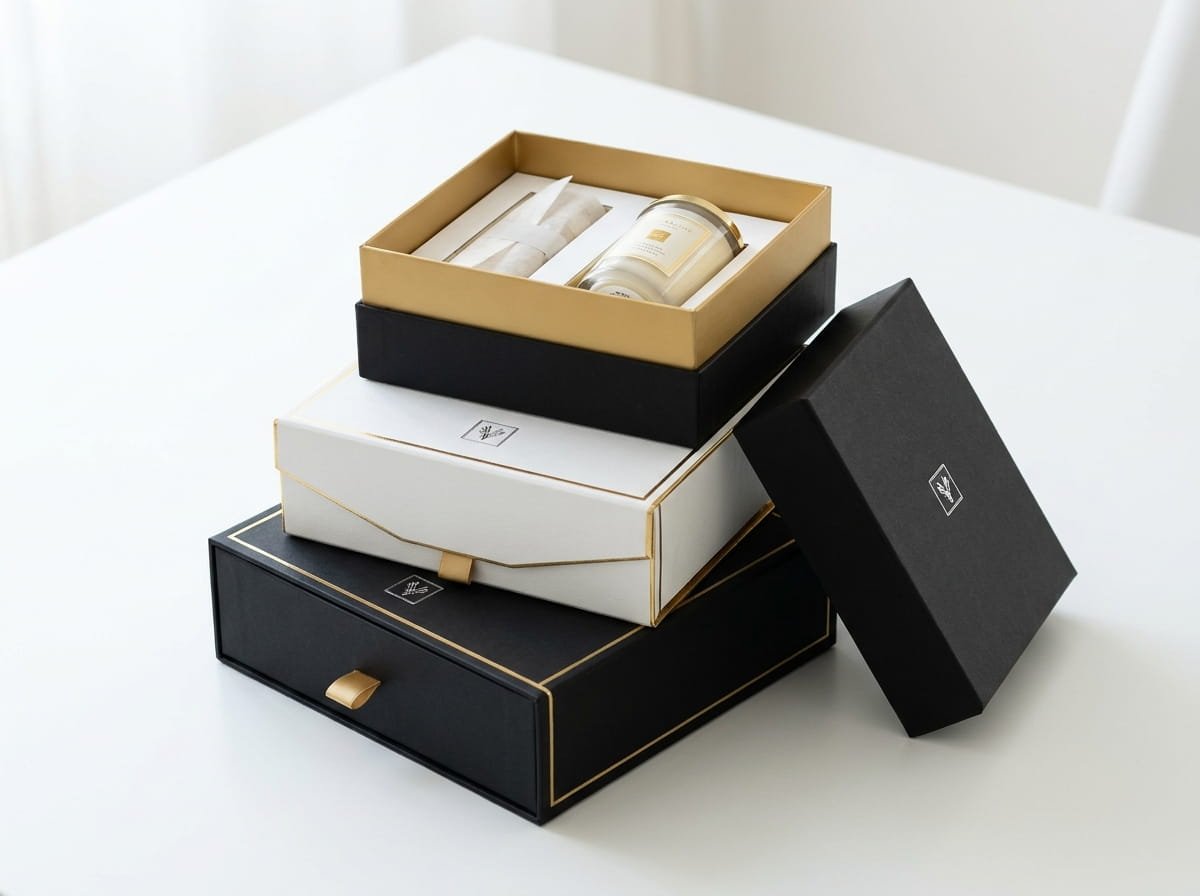
Custom shipping boxes are corrugated or paperboard boxes made to your size and printed with your design. The structure usually follows a mailer style, where the lid tucks into the front and no tape is needed. Corrugated board has a fluted layer between two flat liners. That layer gives the box strength against drops and pressure. Well made custom shipping boxes arrive flat, assemble fast and hold their shape in transit.
Common flute grades include E flute, B flute and C flute. E flute is thin and prints well, so it suits small retail items. B flute is stronger and handles heavier products. C flute sits between them and works as a general shipping choice. Ask your supplier which grade they recommend for your product weight.
Packboxes, a UK supplier of custom packaging, lists a minimum order of 50 boxes. It also states that it offers free graphic design, no die or plate charges and free UK shipping. Those terms make small test orders possible for new brands.
Protection: Which Pack Keeps Products Safer?
Protection is the main reason sellers move away from mailers. A corrugated box resists crushing, keeps its shape in a sorting centre and shields fragile products from sharp edges. A poly mailer bends and tears under pressure, which can damage anything rigid inside. Custom shipping boxes also reduce the movement that causes scuffs and breakage.
Think about the journey. A parcel passes through collection, a depot, a sorting line, a van and a doorstep. It may sit under other parcels for hours. Soft clothing survives this in a poly mailer. A candle, a skincare set, a ceramic mug or a pair of glasses does not.
Custom sizing also reduces movement. A box cut close to the product leaves little room for it to slide or hit the walls. Add a paper insert or a die cut tray for fragile goods, and the product sits firmly in place. Standard sizes often leave gaps that need extra void fill, which adds material cost and labour.
Branding and the Unboxing Experience
A customer sees your pack before they see your product. Plain mailers carry the manufacturer’s print or none at all. Custom shipping boxes carry your logo, colours and message on every surface, including the inside of the lid. Branded custom shipping boxes turn every delivery into a small marketing moment.
Printed boxes help in three ways. First, they build recognition when the parcel arrives at a door or in a shared mail room. Second, they give the customer a reason to photograph the pack and share it. Third, they signal quality, which supports a higher price for the product itself.
Packboxes lists several print and finishing options, including offset, flexographic and digital printing, plus foil, spot UV, embossing and debossing. Keep the design simple for custom shipping boxes. A one colour logo on a kraft or white box often looks cleaner than a full colour pattern, and it costs less.
Cost Comparison
Unit price tells only part of the story. A poly mailer often costs a small fraction of a printed box. Yet the total cost of shipping includes damage, returns, void fill, labour and brand value. Over a full year, custom shipping boxes can cost less per successful order than cheap mailers.
Consider these cost points when you compare:
- Unit price: Mailers win on price per piece. Custom boxes cost more but fall in price as quantity rises.
- Damage and returns: A single broken product can cost more than the price difference across dozens of orders. Replacement stock, the second delivery and the support time add up.
- Void fill: Standard sizes often need paper or air pillows. A made to measure box needs less.
- Setup: Custom printing may require artwork and proofs. Some suppliers charge for dies and plates. Others, like Packboxes, state that they do not.
- Storage: Mailers pack flat and take up little room. Folded boxes also ship flat, but they need more shelf space once stacked.
Ask for quotes at several quantity tiers. The step from 50 to 500 boxes often changes the unit price more than the step from 500 to 600.
Shipping Rules and Courier Sizes
Courier limits shape your packaging choice. Royal Mail defines a Large Letter as up to 353 mm by 250 mm by 25 mm and up to 750 g. A Small Parcel can reach 450 mm by 350 mm by 160 mm and 2 kg. Prices depend on the format and weight, so a slim box that qualifies as a Large Letter can save money on every order. Slim custom shipping boxes can stay inside the cheaper Large Letter format.
A flat poly mailer easily fits the Large Letter format. A custom mailer box can also fit it if you keep the depth under 25 mm, which works for items such as jewellery, cards, cables or small accessories. Deeper boxes move into the Small Parcel format, which costs more to send.
Check the current rate card from your courier before you finalise a size. Rules and prices change, and each carrier has its own limits. Measure the packed box, not the empty one.
Sustainability Considerations
Customers now notice packaging waste. Poly mailers are plastic, and many councils cannot collect them with household recycling. Some mailers use recycled content or are compostable, but you should check how your customer can actually dispose of them. Recyclable custom shipping boxes answer the plastic concerns many shoppers raise.
Corrugated boxes are widely recycled in the UK. Choose board certified by the Forest Stewardship Council (FSC) when possible, and ask for water based inks. Avoid plastic laminations if recycling matters to your brand.
UK packaging Extended Producer Responsibility rules also apply to businesses that reach certain turnover and packaging weight thresholds. Read the current government guidance, or ask your accountant, to see whether the rules cover you.
Which Option Suits Which Product?
Use this simple guide to match the pack to the product. Custom shipping boxes make the most sense when product value or fragility is high.
Choose standard mailers when:
- The product is soft, light and cannot break, such as basic clothing.
- You ship high volumes at a low order value.
- Brand presentation matters less than speed and cost.
Choose custom shipping boxes when:
- The product is fragile, rigid or likely to be crushed.
- You sell gifts, beauty items, candles, supplements or accessories.
- Presentation drives the purchase, or customers expect a premium unboxing.
- You want to reduce damage claims and returns.
Use both when:
- Your range includes soft goods and fragile items. Many sellers ship T shirts in mailers and bundles or gift sets in printed boxes.
How to Move From Mailers to Custom Boxes
A switch does not need to be sudden. Follow these steps for a smooth transition. A small first order of custom shipping boxes lets you test fit and finish with low risk.
- List your top five products by order volume and record their dimensions and weights.
- Mark the products that break, bend or crush most often.
- Request a sample or white mock up for each size you plan to use.
- Pack and ship a few test parcels to your own address and check the condition on arrival.
- Approve the artwork after you confirm spelling, colours and logo placement.
- Order a first run at the minimum quantity, then adjust sizes and quantities from real data.
Final Thoughts
Both packs have a place in a healthy store. Standard mailers keep costs low for soft, sturdy items. Custom shipping boxes protect fragile products, strengthen your brand and give customers a better first impression. Compare the full cost, including damage and returns, before you decide on price alone. If you want a quote for printed boxes in your sizes, send your product dimensions and target quantity to a supplier such as Packboxes and ask for a sample first. Mixed packing plans often work best, with custom shipping boxes for the products that need them.
Frequently Asked Questions About Custom Shipping Boxes
1. Are custom shipping boxes worth the extra cost over mailers?
They pay off for fragile or premium products. Fewer damaged parcels and a stronger brand impression often outweigh the higher unit price.
2. What is the minimum order for custom shipping boxes in the UK?
It varies by supplier. Packboxes starts at 50 boxes, which suits small online stores and test orders.
3. Can I print my logo on a shipping box?
Yes. Suppliers print logos and artwork on the outside and inside of the box. Send vector artwork for the best result.
4. Which flute is best for shipping boxes?
E flute suits light retail items, B flute handles heavier products and C flute works as a general choice. Your supplier can advise on your product weight.
5. Will a custom mailer box fit the Royal Mail Large Letter size?
It can, if the packed box stays within 353 mm by 250 mm by 25 mm and 750 g. Check the current Royal Mail rules before you order.
6. Are poly mailers recyclable?
Most household collections in the UK do not accept them, though some carry recycled content or collection schemes. Check the local rules.
7. Can I use custom shipping boxes for apparel?
Yes. Boxes protect folded garments from creasing and add a premium feel, which suits higher priced fashion.
8. How do I choose the right box size?
Measure your product and any insert, then give your supplier internal dimensions. Order a sample to confirm the fit before a full run.
9. Do custom shipping boxes reduce returns?
Better protection lowers damage in transit, which cuts returns caused by broken or crushed products.
10. Can I order different box sizes in one run?
Many suppliers allow several sizes in one order, though each size may carry its own minimum quantity. Confirm the terms before you pay.