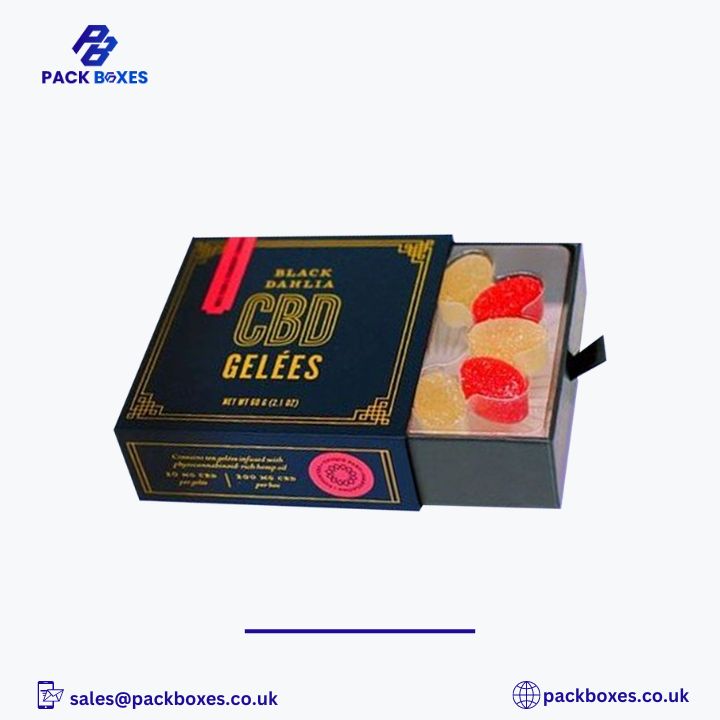
Custom printed boxes UK orders follow a fairly standard path, but if it is your first time, the process can seem confusing. Dielines, proofs, bleed and finishes are all terms you may not have come across before. This step by step guide explains exactly what happens from your first enquiry to the moment your boxes arrive, so you know what to prepare and what to expect.
Step 1: Gather Your Product Details
Before you contact a supplier, collect the basic information about your product. This saves time and leads to a more accurate quote.
Have these details ready:
- The product’s length, width and height
- Its weight and how fragile it is
- How it will be sold, for example in a shop, online or both
- Whether it needs an insert to hold it in place
- How many boxes you need
If you already have a box you like, measure its inside dimensions and take a few photos.
Step 2: Choose a Box Style and Material
Next, decide on the type of box. If you are unsure, describe your product and ask for advice.
A quick guide to common choices:
| Product type | Suggested style | Suggested material |
|---|---|---|
| Cosmetics and skincare | Tuck end box | Cardboard |
| Online orders | Mailer box | Corrugated board |
| Gift sets and perfume | Rigid or sleeve and tray box | Rigid board |
| Soap bars | Sleeve or tuck end box | Kraft or cardboard |
| Counter products | Display box | Cardboard |
These are starting points, not fixed rules. Your supplier may suggest something different based on weight, budget and how the box will be used.
Step 3: Request a Quote
Once you know the basics, request a price. On the Pack Boxes website, the instant quote form asks for:
- Product name
- Length, width and depth, plus the units you measured in
- Board stock and colour
- Quantity
- Your artwork, if it is ready
- Your name, email and phone number
- Any extra notes, such as finishes or deadlines
The more detail you provide, the more accurate your quote will be. If you are still deciding on finishes, mention the options you are considering so the team can price them.
Step 4: Prepare Your Artwork
Artwork is often the part that causes delays, so it helps to get it right early.
Work From a Dieline
A dieline is a flat template that shows the shape of your box, including every panel, fold line and cut line. Your supplier will provide one based on your chosen size and style. Placing your design on this template makes sure everything lines up once the box is folded.
Follow Basic Print Rules
For clean results, artwork usually needs to be:
- Set up in CMYK colour mode for print
- At least 300 dpi for images
- Supplied with bleed, which is extra artwork beyond the cut line, commonly 3mm
- Kept clear of fold lines for any important text or logos
- Saved as a print ready file such as PDF or AI, with fonts outlined
If this sounds technical, do not worry. Pack Boxes offers free graphic design, so the team can prepare the artwork or check your files before printing.
Check Legal Information
Some products need specific information on the packaging. Cosmetics, food and e-liquids all have UK labelling rules. Check the requirements for your product category before approving the design.
Step 5: Choose Your Finishes
Finishes are the details that make custom printed boxes feel special. Options at Pack Boxes include:
- Foiling in gold, silver or holographic
- Spot UV for glossy highlights
- Embossing to raise part of the design
- Debossing to press part of the design into the board
Decide on finishes before the proof stage, because they need to be marked on the artwork file.
Step 6: Review and Approve the Proof
Before production starts, you should receive a digital proof. This shows how your artwork sits on the dieline.
Check it carefully:
- Are all spellings correct, including your brand name and website?
- Are logos and text the right way up on every panel?
- Is anything important too close to a fold or cut line?
- Are finishes marked in the right places?
- Do the dimensions match what you asked for?
Colours on screen can look different from colours on board. If exact colour matching is important, ask your supplier about it before approving. Only approve the proof when you are completely happy, because changes after printing starts are difficult and costly.
Step 7: Consider a Sample
For a first order or a new box style, a physical sample is well worth it. You can check the fit, the board strength, the print quality and how the box feels to open.
This step is especially useful for fragile products, unusual shapes and premium packaging, where small details make a big difference.
Step 8: Production
After approval, your boxes move into production. This usually includes printing, adding finishes, cutting the shape with a die, and folding or gluing where needed.
Turnaround depends on the quantity, style and finishes. If you have a firm deadline, share it when you order. Pack Boxes offers rush production options when you need boxes quickly.
Step 9: Delivery
Most custom boxes are delivered flat to save space and reduce the risk of damage. Rigid boxes are the exception, as they are made in their final shape.
Pack Boxes offers free delivery across the UK. When your order arrives, check the boxes against your approved proof and store them somewhere dry and flat.
Tips for a Smooth First Order
- Start early, especially before launches and busy seasons
- Ask questions at every stage if anything is unclear
- Save your final artwork files for future reorders
- Start with a smaller quantity if you are testing a new design
Order Your Custom Printed Boxes UK Today
Ordering packaging does not need to be stressful. With clear product details, a good dieline, a careful proof check and a reliable supplier, you can get boxes that protect your products and represent your brand well.
Pack Boxes makes the process simple, with orders from 50 boxes, no die or plate charges, free design help and free UK delivery. Fill in the quote form to get started.
Frequently Asked Questions
What is a dieline?
A dieline is a flat template of your box showing all cut lines, fold lines and panels. You place your artwork on it so the design lines up when the box is assembled.
What file format should my artwork be in?
Print ready PDF or Adobe Illustrator files are usually preferred, with CMYK colours, high resolution images, bleed and outlined fonts.
Can Pack Boxes design my artwork for me?
Yes. Pack Boxes offers free graphic design support if you do not have print ready artwork.
Are custom boxes delivered flat?
Most folding cartons and mailer boxes are delivered flat to save space. Rigid boxes are delivered in their finished shape.
What should I check before approving a proof?
Check spelling, logo position, text orientation, finish placement and dimensions. Make sure nothing important sits on a fold or cut line.